
Iran reasserts control over Hormuz Strait amid US tensions
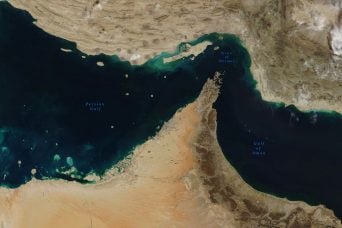
Iran has reasserted control over the Hormuz Strait, a critical chokepoint for global oil shipments, escalating tensions with the United States. This geopolitical development threatens maritime security and could disrupt oil supply chains, with potential implications for energy prices and broader macroeconomic stability that affect cryptocurrency and traditional markets.
Iran's assertion of control over the Hormuz Strait represents a significant escalation in U.S.-Iran tensions with far-reaching economic consequences. The strait serves as one of the world's most critical maritime passages, with approximately one-third of global seaborne oil trade transiting through its waters. Any disruption to this passage directly impacts global energy prices, which function as a primary macroeconomic indicator affecting inflation expectations, central bank policy, and risk sentiment across all asset classes.
Historically, the Hormuz Strait has been a flashpoint in U.S.-Iran relations, with previous incidents including tanker seizures and military confrontations. Iran's recent assertion of control reflects broader regional power dynamics and its response to international sanctions and diplomatic isolation. The escalation follows years of deteriorating relations, punctuated by the 2020 assassination of Iranian military commander Qasem Soleimani and subsequent tit-for-tat military actions.
For cryptocurrency and digital asset markets, geopolitical crises affecting energy security typically increase volatility and can drive capital flows toward hard assets and alternative value stores. Bitcoin often experiences increased institutional interest during periods of macro instability and currency devaluation concerns. Oil price spikes resulting from Hormuz Strait tensions could trigger inflation concerns, potentially affecting monetary policy expectations and equity-crypto correlation dynamics.
Market participants should monitor ongoing diplomatic communications between Iran and the U.S., as well as maritime incident reports from the region. Sustained supply disruptions could push oil prices above $100 per barrel, creating inflationary pressures that reshape central bank guidance and cross-asset allocation decisions throughout global markets.
- →Iran's control assertion over Hormuz Strait threatens approximately one-third of global seaborne oil trade
- →Energy price spikes from supply disruptions typically increase macroeconomic volatility affecting cryptocurrency markets
- →Geopolitical crises of this magnitude historically drive institutional capital toward alternative stores of value like Bitcoin
- →Oil prices above $100/barrel would likely trigger inflation concerns influencing central bank policy and risk appetite
- →Ongoing U.S.-Iran diplomatic status and maritime incident reports are critical indicators to watch for market impact