
Iran declares unauthorized Hormuz vessels as legitimate targets amid US tensions
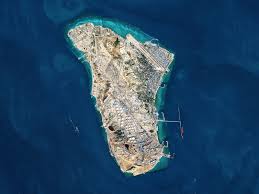
Iran has declared unauthorized vessels in the Strait of Hormuz as legitimate targets, escalating tensions with the US. This geopolitical development poses significant risks to global oil supply chains, potentially triggering market volatility across energy and cryptocurrency markets.
Iran's declaration regarding unauthorized vessels in the Strait of Hormuz represents a significant escalation in regional tensions that carries substantial implications for global markets. The Strait of Hormuz remains one of the world's most critical chokepoints for energy infrastructure, with approximately 20% of global petroleum passing through its waters annually. This confrontational stance raises the immediate risk of disrupted oil flows, which historically triggers sharp price movements across commodities and broader financial markets.
The broader context reflects ongoing US-Iran hostilities that have intensified since the 2018 withdrawal from the Joint Comprehensive Plan of Action (JCPOA). Previous incidents in the Strait have included tanker seizures and drone confrontations, establishing a pattern of brinkmanship. Iran's explicit designation of vessels as legitimate targets represents an unusual formal escalation that signals reduced diplomatic restraint and heightened operational risk for commercial shipping.
For cryptocurrency and financial markets, geopolitical crises affecting energy infrastructure typically correlate with increased volatility and flight-to-safety dynamics. Oil price spikes traditionally reduce risk appetite, potentially pressuring equities and volatile assets like cryptocurrencies. Energy traders face immediate hedging concerns, while broader investors should monitor crude oil futures as a leading indicator of market stress. Insurance costs for regional shipping will likely increase, adding economic friction to global trade.
Market participants should track developments closely, particularly any actual incidents involving commercial vessels or further Iranian military posturing. Crude oil price action above $90 per barrel would signal meaningful supply concerns, while geopolitical de-escalation statements from either party could rapidly reverse negative sentiment.
- →Iran's formal declaration of unauthorized vessels as targets escalates Strait of Hormuz tensions to levels not seen in recent years.
- →Disruption to global oil flows through this critical chokepoint would directly impact crude prices and broader market volatility.
- →Cryptocurrency markets typically experience increased price volatility during geopolitical crises affecting energy infrastructure.
- →Commercial shipping insurance costs in the region will rise significantly, increasing operational expenses for global trade.
- →Oil futures above $90 per barrel would serve as a key indicator that markets are pricing in meaningful supply disruption risk.