
Explosions reported near Sirik in Iran’s Hormozgan province as Strait of Hormuz tensions escalate
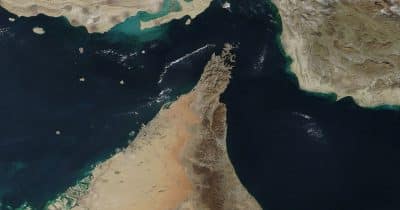
Explosions near Sirik in Iran's Hormozgan province signal escalating tensions around the Strait of Hormuz, a critical chokepoint for global oil transit. This geopolitical instability threatens to disrupt energy markets and increase cryptocurrency volatility as investors reassess macro risks.
The Strait of Hormuz remains one of the world's most strategically sensitive waterways, with roughly 20-30% of global petroleum passing through its narrow channel daily. Explosions near Sirik indicate intensifying regional conflict, whether from direct military action, proxy operations, or terrorist activities. This development matters because energy price shocks traditionally trigger broader macroeconomic uncertainty that ripples through all asset classes, including cryptocurrencies.
Historic precedent shows how Middle Eastern instability translates to market volatility. Previous Hormuz incidents—including drone attacks, tanker seizures, and military posturing between Iran and Western powers—have spiked oil prices 5-15% within hours. Rising geopolitical risk premiums force central banks to reassess monetary policy, affecting risk asset valuations across equities, bonds, and digital assets simultaneously.
Cryptocurrency markets respond to geopolitical shocks through multiple channels: flight-to-safety flows that reduce risk appetite, inflation hedging demand if oil prices spike significantly, and broader macro uncertainty that increases volatility across all markets. Bitcoin and other digital assets sometimes benefit from safe-haven demand during geopolitical crises, though correlations remain inconsistent. Investors monitoring macro exposure should track oil futures and VIX indices as leading indicators of broader market stress.
Observing Hormuz developments becomes critical for understanding medium-term market conditions. Sustained tensions could sustain higher energy costs, triggering inflation concerns and potential policy shifts that directly influence crypto valuations and trading volumes.
- →Explosions near Iran's Hormozgan province escalate Strait of Hormuz tensions, affecting 20-30% of global oil transit.
- →Geopolitical instability typically triggers energy price spikes that increase volatility across all asset classes including crypto.
- →Historical precedent shows Middle East tensions can spike oil 5-15% within hours, forcing macro reassessment.
- →Cryptocurrency markets respond to geopolitical shocks through safe-haven demand, inflation hedging, and broader risk-off dynamics.
- →Investors should monitor oil futures and VIX indices as leading indicators of potential market stress.