
Iran floats ‘insurance fees’ and asserts control over Hormuz
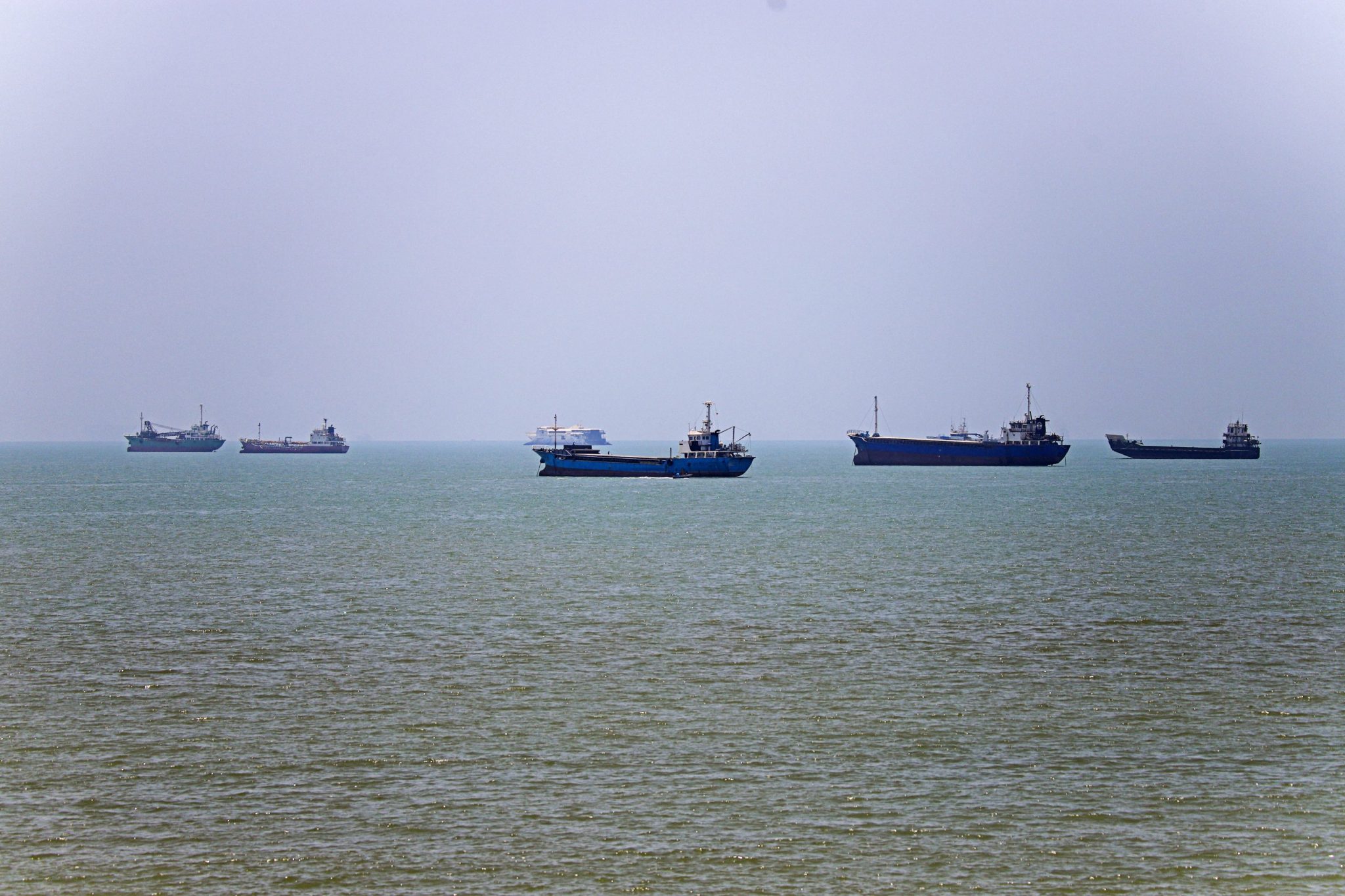
Iran's Persian Gulf Strait Authority announced plans to require ships transiting the Strait of Hormuz to obtain an insurance policy, currently free but potentially subject to future charges. This move represents Iran's assertion of greater control over one of the world's most critical maritime chokepoints through which roughly 21% of global oil passes daily.
Iran's introduction of mandatory insurance requirements for Hormuz transit signals an escalation in the country's efforts to exert economic leverage over global energy markets. The announcement frames the policy as a safety measure, but the stated potential for future fees transforms this into a potential revenue mechanism and geopolitical tool. This development carries significant implications for maritime commerce and energy security, as the Strait of Hormuz handles approximately 21% of the world's traded oil, making it essential infrastructure for global energy markets.
The move reflects Iran's historical tensions with Western powers over sanctions and its nuclear program, combined with broader regional instability. Previous incidents, including tanker seizures and drone attacks on shipping, demonstrate Iran's willingness to disrupt maritime traffic. The insurance requirement, whether currently free or eventually charged, establishes a precedent for Iran to monetize its geographic position and extract concessions from international shipping.
For energy markets and cryptocurrency markets sensitive to geopolitical risk, this signals increased uncertainty around Hormuz transit costs and potential supply disruptions. Oil prices could face upward pressure from elevated risk premiums, and investors should monitor whether insurance fees materialize and at what cost. The move also highlights how traditional geopolitical leverage translates into economic friction that can drive commodity volatility and macro uncertainty.
Markets should watch for international responses, potential sanctions escalation, and whether other regional actors support or challenge Iran's authority. Any formalization of insurance fees or increased disruptions could trigger broader energy market reactions affecting risk assets including cryptocurrencies correlated with macro instability.
- →Iran mandates insurance policies for ships transiting the Strait of Hormuz, currently free but with future charges possible.
- →The Strait handles approximately 21% of global traded oil, making Iran's control lever significant for energy security.
- →This assertion of authority follows a pattern of Iranian maritime disruptions and escalating geopolitical tensions.
- →Increased transit costs and supply uncertainty could drive oil price premiums and broader macro volatility.
- →International response and potential sanctions escalation remain critical factors to monitor for market impact.