
Iran imposes toll on ships in Strait of Hormuz, affecting trade routes
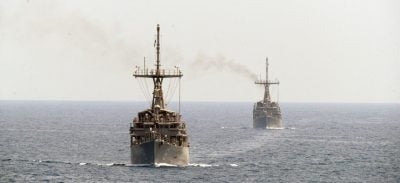
Iran has imposed tolls on ships transiting the Strait of Hormuz, a critical chokepoint for global oil trade. This move threatens to disrupt global oil supply chains and intensify geopolitical tensions, with potential ripple effects on commodity markets and broader economic stability.
Iran's toll implementation on Strait of Hormuz shipping represents a significant escalation in maritime tensions affecting one of the world's most strategically important trade routes. Approximately one-third of global seaborne oil trade passes through this narrow waterway, making any disruption to transit a matter of international concern. The imposed toll effectively leverages Iran's geographic position to extract economic concessions while signaling resolve against international pressure.
This action reflects broader regional instability stemming from years of sanctions, diplomatic isolation, and military posturing between Iran and Western powers. The toll mechanism mirrors previous Iranian strategies to monetize geopolitical leverage during periods of heightened tension. Historical precedent shows Iran has used maritime threats as negotiating tools, though implementation often varies in severity and duration.
Cryptocurrency and blockchain markets remain sensitive to oil price volatility and macroeconomic uncertainty. Disruptions to oil supply chains typically correlate with inflation expectations and central bank policy shifts, both of which influence risk asset valuations including digital assets. Energy-intensive crypto mining operations also face cost pressures from elevated oil prices. Traders monitoring macro correlations should track crude oil futures and shipping indices alongside traditional equity markets.
Market participants should monitor whether this toll remains a symbolic gesture or escalates into actual shipping delays. International response mechanisms, potential retaliatory measures, and diplomatic negotiations will determine whether disruption becomes structural or temporary. The situation bears watching for potential OPEC production decisions and broader inflation implications.
- →Iran's Strait of Hormuz toll threatens one-third of global seaborne oil trade and could trigger supply chain disruptions.
- →The move reflects escalating geopolitical tensions rooted in longstanding sanctions and diplomatic isolation.
- →Oil price volatility from this action could increase inflation expectations and pressure risk assets including cryptocurrencies.
- →Crypto mining operations face higher energy costs if crude oil prices rise significantly in response.
- →Market impact depends on whether tolls remain symbolic or lead to actual shipping delays and broader sanctions responses.