
Iran mandates IRGC approval for vessels in Strait of Hormuz
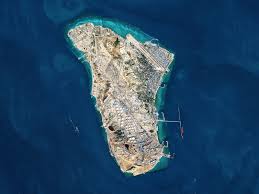
Iran has implemented a new requirement for the Islamic Revolutionary Guard Corps (IRGC) to approve all vessel transits through the Strait of Hormuz, a critical chokepoint for global oil trade. This policy complicates ongoing diplomatic negotiations and raises concerns about potential disruptions to international commerce and energy markets.
Iran's mandate requiring IRGC approval for Strait of Hormuz transits represents an escalation in maritime control that extends Tehran's influence over one of the world's most strategically vital shipping lanes. The Strait of Hormuz handles approximately 20-30% of global seaborne oil trade, making any restriction a matter of global economic concern. This policy signals Iran's assertion of sovereignty and deterrent capacity amid broader tensions with Western nations and regional rivals.
The approval requirement emerges from Iran's consistent efforts to leverage its geographic position as a negotiating tool. Previous incidents involving tanker seizures and confrontations with international shipping have demonstrated Tehran's willingness to weaponize maritime transit. By formalizing IRGC oversight, Iran creates institutional mechanisms that could delay shipments, extract concessions, or selectively allow passage based on geopolitical objectives.
For cryptocurrency and blockchain markets, maritime disruption poses indirect but meaningful risks. Energy price volatility stemming from supply concerns historically correlates with crypto market turbulence, particularly affecting risk-on sentiment. Oil price spikes reduce liquidity for speculative assets as capital rotates toward energy commodities. Additionally, sanctions-driven restrictions on Iranian trade have prompted interest in decentralized finance and cryptographic solutions for circumventing traditional banking channels, potentially increasing demand for privacy-focused cryptocurrencies.
Observers should monitor whether this policy triggers international diplomatic responses, vessel rerouting through longer routes, or commodity price adjustments. Sustained tensions could prompt strategic petroleum reserve releases or alternative energy discussions, indirectly reshaping macroeconomic conditions that influence cryptocurrency valuations.
- →Iran's IRGC approval requirement for Strait of Hormuz transits complicates global trade and energy supply chains
- →The policy leverages Iran's geographic control over a critical chokepoint handling 20-30% of seaborne oil trade
- →Vessel transit delays or selective approval could trigger oil price volatility affecting cryptocurrency markets
- →The mandate reflects Iran's broader strategy to use maritime leverage in geopolitical negotiations
- →Cryptocurrency markets may see increased demand for decentralized solutions amid potential sanctions-related restrictions