
Iran’s IRGC attacks Singapore-flagged ship in Strait of Hormuz
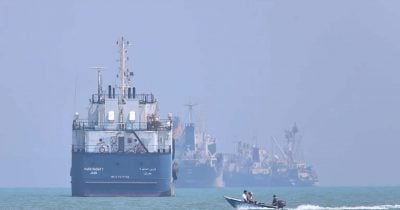
Iran's Islamic Revolutionary Guard Corps (IRGC) attacked a Singapore-flagged vessel in the Strait of Hormuz, escalating geopolitical tensions in a critical global shipping corridor. The incident heightens risks of further maritime disruptions and potential military escalation, with significant implications for energy markets and international trade.
The IRGC's attack on a Singapore-flagged ship represents a direct escalation in the ongoing regional tensions centered around the Strait of Hormuz, one of the world's most strategically vital shipping chokepoints. Approximately 21% of global petroleum trade passes through this waterway, making any disruption to maritime traffic a consequential event with far-reaching economic ramifications. This incident reflects deepening geopolitical fractures, likely rooted in longstanding U.S.-Iran tensions, regional proxy conflicts, and disputes over maritime sovereignty.
Historically, the Strait has been a flashpoint for military posturing, with multiple incidents involving Iranian forces targeting commercial vessels. These attacks typically correlate with periods of heightened sanctions, diplomatic breakdown, or regional instability involving Saudi Arabia, Israel, or U.S. military presence. The persistence of such incidents suggests structural instability rather than isolated provocations.
For cryptocurrency and broader markets, maritime disruptions carry significant implications. Oil price volatility directly affects macroeconomic conditions and risk asset valuations, including crypto markets. Sustained shipping disruptions could trigger inflation expectations, influence central bank monetary policy, and reshape capital allocation toward safe-haven assets. Energy price spikes particularly impact developing economies dependent on petroleum imports, potentially cascading into broader emerging market instability.
Investors should monitor escalation indicators: further attacks, military responses from Western navies, insurance premium increases for Hormuz transits, and oil price movements above $90 per barrel. Extended disruptions could force energy-dependent nations into capital-burning defensive positions, reducing liquidity in growth markets where crypto thrives.
- →IRGC attacked a Singapore-flagged ship in the Strait of Hormuz, intensifying regional military tensions
- →The Strait of Hormuz handles ~21% of global petroleum trade, making disruptions economically significant
- →Maritime incidents typically correlate with oil price volatility and broader macroeconomic instability
- →Crypto markets face indirect headwinds through energy inflation and reduced liquidity in risk assets
- →Investors should track shipping insurance costs and oil prices as leading indicators of escalation severity