
Iran’s new IRGC chief Vahidi may delay US-Iran talks, complicating negotiations
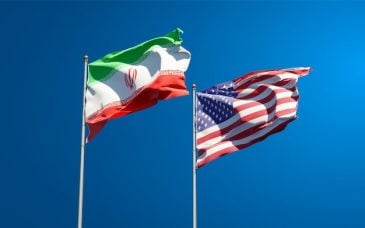
Iran's appointment of Vahidi as the new IRGC chief signals a potential hardening of diplomatic positions that could extend the US-Iran negotiation stalemate. This development carries implications for regional stability and may complicate future international negotiations affecting global markets and geopolitical risk assessments.
The appointment of Vahidi to lead Iran's Islamic Revolutionary Guard Corps represents a significant shift in Tehran's political positioning. Military leadership changes in Iran historically correlate with shifts in diplomatic strategy, and Vahidi's known hawkish stance suggests reduced appetite for near-term negotiations with Western powers. This development directly impacts the timeline for potential sanctions relief and nuclear agreement progress, factors that influence global energy markets, international trade flows, and investor confidence in emerging markets.
Vahidi's tenure comes amid ongoing tensions over Iran's nuclear program and regional military activities. His influence within the IRGC—Iran's most powerful military institution—positions him to shape policy decisions across multiple domains. The appointment reflects broader trends in Iranian politics where hardliners have consolidated power, reducing moderates' leverage in diplomatic processes. This internal power dynamic historically precedes periods of increased regional assertiveness.
For market participants, extended US-Iran tensions elevate geopolitical risk premiums across multiple asset classes. Energy prices face potential volatility given Iran's strategic position in global oil markets, while emerging market exposure becomes riskier amid broader international instability. Cryptocurrency markets may experience flight-to-safety dynamics as investors reassess exposure to regions affected by sanctions or conflict escalation. The diplomatic delay signals investors should anticipate extended uncertainty regarding sanctions trajectories and their implications for international trade and capital flows.
- →Vahidi's appointment as IRGC chief signals a hardline shift that could delay US-Iran diplomatic progress
- →The decision reflects consolidation of hawkish factions within Iranian political and military structures
- →Extended negotiations stalemate increases geopolitical risk premiums across global markets
- →Energy markets face volatility from potential regional instability and continued sanctions complexity
- →Investors should monitor diplomatic developments for impacts on sanctions relief timelines and capital flows