
Iran’s IRGC distrusts US talks, complicates ceasefire, peace deal timelines
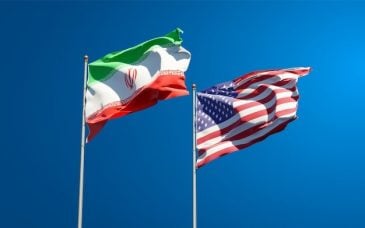
Iran's Islamic Revolutionary Guard Corps (IRGC) expresses deep skepticism toward US diplomatic negotiations, creating obstacles to ceasefire agreements and peace settlement timelines in the Middle East. This distrust undermines confidence-building measures and complicates efforts to de-escalate regional tensions, with potential ripple effects on global stability and markets sensitive to geopolitical risk.
The IRGC's institutional distrust of US diplomatic engagement represents a significant impediment to conflict resolution in the Middle East. The organization's skepticism likely stems from decades of adversarial relations, failed previous negotiations, and perceived US policy inconsistency. This positions the IRGC as a potential veto player in any agreement Iran might pursue, meaning diplomatic progress requires not just government-level alignment but institutional buy-in from powerful security forces resistant to American engagement.
Historically, the IRGC has maintained significant influence over Iran's foreign policy decisions despite civilian government authority. The group's skepticism echoes patterns from previous negotiations, including the JCPOA framework, where implementation faced obstacles from hardline factions. Current tensions around nuclear negotiations, regional proxy activities, and sanctions compliance have reinforced the IRGC's hawkish posture, making them a structural barrier to rapid diplomatic breakthroughs.
For cryptocurrency and financial markets, geopolitical instability in the Middle East typically increases risk-off sentiment and elevates demand for safe-haven assets. Prolonged uncertainty around ceasefire timelines increases the probability of military escalation, which historically correlates with increased volatility in energy markets and reduced appetite for risk assets. Bitcoin and other cryptocurrencies may experience downward pressure if tensions escalate, while traditional haven assets like gold strengthen.
Investors should monitor IRGC statements and actions as indicators of Iran's true negotiating position. Any hardening of rhetoric or military posturing suggests lower ceasefire probability, potentially extending regional instability. Watch for signals from international mediators about whether the IRGC's concerns are being addressed in negotiation frameworks.
- →The IRGC's institutional distrust of US talks creates a significant obstacle to reaching ceasefire and peace agreements in the Middle East.
- →The organization's skepticism likely reflects historical precedent of failed negotiations and perceived US policy inconsistency.
- →IRGC institutional backing is necessary for any Iranian agreement, as they function as a veto player over foreign policy implementation.
- →Geopolitical instability from failed peace talks typically increases risk-off sentiment and favors safe-haven assets over risk assets like cryptocurrencies.
- →Investors should use IRGC rhetoric and military actions as leading indicators for ceasefire probability and regional escalation risk.