
Iran deploys IRGC ship in Strait of Hormuz, plans transit fees
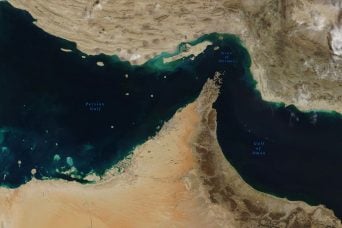
Iran has deployed an Islamic Revolutionary Guard Corps (IRGC) naval vessel in the Strait of Hormuz and announced plans to impose transit fees on passing vessels. This escalation could disrupt one of the world's most critical energy chokepoints, potentially triggering volatility in oil markets and affecting cryptocurrency valuations tied to macroeconomic stability.
Iran's deployment of IRGC assets in the Strait of Hormuz represents a significant escalation in regional assertiveness. The strait handles approximately 20-30% of global maritime oil trade, making it a critical artery for international energy markets. The announcement of unilateral transit fees signals Tehran's intent to weaponize its geographic position amid ongoing geopolitical tensions, particularly with the United States and Gulf allies. This move reflects Iran's broader strategy of increasing pressure through maritime control rather than direct military confrontation.
Historically, the Strait of Hormuz has been a flashpoint for regional conflicts and international disputes. Previous Iranian threats and incidents, including tanker seizures and drone attacks, have tested international resolve. The current action escalates these patterns, suggesting Iran is emboldened by perceived weaknesses in international enforcement mechanisms or seeking to extract economic concessions through coercion.
For cryptocurrency markets, geopolitical tensions surrounding energy infrastructure create macroeconomic uncertainty that typically strengthens risk-off sentiment. Higher oil price volatility increases inflation concerns, potentially affecting central bank monetary policy and institutional investment flows into crypto assets. Investors may initially flee risk assets, but prolonged energy market disruptions could accelerate adoption of alternative assets as hedges against systemic instability.
Market participants should monitor escalation trajectories and potential international responses. Naval deployments by Western powers, sanctions announcements, or insurance premium spikes for Hormuz transit would signal intensifying crisis dynamics. The relationship between energy market shocks and crypto volatility remains asymmetric—traders should watch oil futures and equity market performance as leading indicators.
- →Iran's IRGC deployment and transit fee plans directly threaten a critical global energy chokepoint handling 20-30% of maritime oil trade.
- →Geopolitical escalation in the Strait of Hormuz typically triggers oil price spikes and macroeconomic uncertainty affecting cryptocurrency valuations.
- →The move reflects Iran's escalating assertiveness strategy using maritime control as leverage amid international tensions.
- →Institutional crypto investors may treat digital assets as macro hedges if energy disruptions persist and inflation concerns resurface.
- →International naval responses or sanctions escalation would serve as critical catalysts for broader market volatility across equities and crypto.