
Iran mandates IRGC approval for Hormuz transit, links to fund unfreezing deal
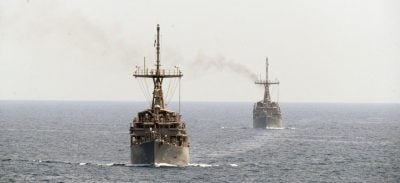
Iran has implemented a new requirement mandating Islamic Revolutionary Guard Corps (IRGC) approval for vessels transiting the Strait of Hormuz, a move officials have linked to ongoing negotiations regarding the unfreezing of Iranian assets. The policy shift suggests potential diplomatic progress, though it increases regulatory complexity for maritime commerce in one of the world's most critical shipping chokepoints.
Iran's mandate requiring IRGC approval for Hormuz transit represents a consolidation of military oversight over international commerce through a strategically vital waterway. The Strait of Hormuz facilitates approximately 20% of global oil shipments, making any regulatory changes consequential for energy markets and broader geopolitical stability. By explicitly linking this requirement to fund unfreezing negotiations, Iran signals that maritime passage may become a bargaining chip in larger diplomatic discussions, potentially creating leverage in nuclear deal talks and sanctions discussions.
Historically, Iran has periodically threatened or restricted Hormuz transit during periods of heightened US-Iran tensions. This particular announcement differs by framing the IRGC approval system as part of a constructive negotiation process rather than a confrontational measure. The positioning suggests Iranian leadership sees diplomatic pathways forward, particularly regarding frozen assets that could address domestic economic pressures from sustained sanctions.
For cryptocurrency and blockchain markets, geopolitical developments affecting oil prices and sanctions regimes create indirect but significant impacts. Energy cost volatility influences mining profitability and transaction fees, while sanctions discussions affect institutional crypto adoption in affected regions. Traders monitoring macro trends should track whether this diplomatic signaling translates into concrete sanctions relief, which would reduce market uncertainty around Iranian asset seizures and potentially open new financial corridors.
The next critical indicators are whether ongoing negotiations yield tangible progress on asset unfreezing and whether the IRGC approval process operates smoothly without disrupting maritime commerce. Any escalation reverting to transit restrictions would signal failed negotiations and trigger immediate oil price volatility.
- →Iran ties new IRGC Hormuz transit approval to negotiations for unfreezing frozen assets
- →The Strait of Hormuz handles 20% of global oil transit, making regulatory changes strategically significant
- →Framing suggests Iran views this as diplomatic leverage rather than confrontational escalation
- →Maritime transit restrictions create indirect effects on energy costs, mining profitability, and institutional crypto adoption
- →Monitor negotiations progress and whether the approval system operates without disrupting international shipping