
IRGC missile strike on US base in Kuwait escalates regional tensions
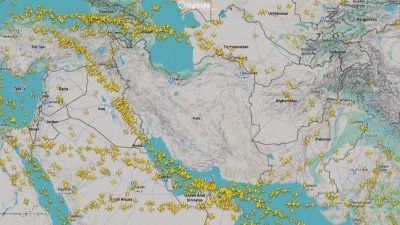
An Iranian Islamic Revolutionary Guard Corps (IRGC) missile strike on a US military installation in Kuwait has intensified US-Iran tensions and significantly diminished prospects for regional de-escalation. The attack raises the risk of broader military conflict and regional instability, with potential implications for global markets and energy security.
The missile strike represents a direct military escalation in the simmering US-Iran conflict, moving beyond rhetoric into kinetic action. This development collapses any near-term ceasefire negotiations and signals Iran's willingness to absorb diplomatic and military costs to assert regional leverage. The timing and targeting suggest a calculated response rather than impulsive aggression, indicating Tehran perceives strategic advantage in confrontation despite international pressure.
Historically, US-Iran tensions have oscillated between proxy conflicts and direct military posturing since the 1979 revolution, with recent flashpoints including sanctions regimes, nuclear negotiations, and regional proxy warfare through militias. The current escalation follows years of maximum pressure policies, failed diplomatic initiatives, and tit-for-tat military incidents. This pattern reveals deepening structural mistrust where both parties view military demonstrations as necessary signaling tools.
For cryptocurrency and financial markets, geopolitical crises of this magnitude typically trigger risk-off sentiment, strengthening safe-haven assets like Bitcoin and US Treasury bonds while weakening emerging market currencies. Oil price volatility becomes a primary concern—regional military escalation threatens Persian Gulf shipping and energy production, potentially spiking crude prices and inflation expectations. This could indirectly benefit inflation-hedging cryptocurrencies while pressuring risk assets and tech stocks that depend on stable macro conditions.
Monitoring developments over the next 72 hours remains critical. Investors should watch for official US military response, statements from regional allies, UN Security Council actions, and direct oil market reactions. Any further escalation toward sustained conflict would materially reshape market correlations and capital flight patterns, particularly affecting emerging-market focused crypto platforms and traders with energy-dependent business models.
- →IRGC missile strike on Kuwait base signals direct military escalation and collapses near-term ceasefire prospects.
- →Regional instability heightens risks for Persian Gulf energy infrastructure and global oil supply disruptions.
- →Risk-off market sentiment typically favors safe-haven assets including Bitcoin while pressuring tech and emerging-market cryptocurrencies.
- →Geopolitical escalation increases volatility expectations across energy and financial markets with unpredictable feedback loops.
- →Continued monitoring of US response, regional ally positioning, and oil prices essential for assessing broader market impact.