
Iran regime solidifies power under IRGC control after US-Israeli strikes
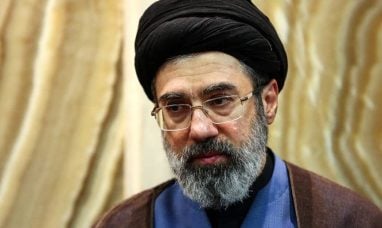
The Iranian Revolutionary Guard Corps (IRGC) has consolidated power following recent US-Israeli military strikes, potentially destabilizing the Middle East and affecting global oil markets through control of critical shipping chokepoints. This geopolitical shift carries significant implications for energy prices and cryptocurrency markets sensitive to macroeconomic volatility.
The IRGC's power consolidation represents a critical geopolitical development with direct consequences for global financial markets. Following US-Israeli military operations, the Iranian regime has strengthened the IRGC's institutional control, effectively centralizing decision-making authority within the military organization. This consolidation typically signals a shift toward more assertive regional posturing and reduced civilian governance influence.
Historically, IRGC dominance correlates with increased proxy warfare, tighter sanctions enforcement, and unpredictable foreign policy decisions. The organization controls significant economic assets and maintains parallel military structures independent from traditional governmental oversight. Previous periods of IRGC ascendancy have preceded escalations in regional conflicts and shifts in international relations.
For financial markets, the critical concern centers on Iran's control of the Strait of Hormuz, through which approximately 21% of global petroleum exports flow. IRGC consolidation raises the probability of supply disruptions, whether through direct military action or miscalculation. Oil price volatility directly impacts inflation expectations, which influences cryptocurrency valuations and macro asset allocation. Higher energy costs typically reduce risk appetite, benefiting assets perceived as inflation hedges like Bitcoin.
Looking ahead, market participants should monitor IRGC rhetoric regarding maritime activities, sanction circumvention mechanisms, and proxy force activation. Any threats to shipping lanes could trigger immediate energy market spikes and corresponding crypto volatility. Additionally, watch for secondary sanctions targeting entities linked to IRGC control, which may impact cross-border crypto transaction flows and exchange accessibility from the region.
- →IRGC consolidation increases probability of regional military escalation and oil supply disruptions
- →Strait of Hormuz control by a more assertive military body creates energy market tail-risk scenarios
- →Oil price volatility from geopolitical tension directly correlates with cryptocurrency market movements
- →Potential secondary sanctions on IRGC entities may restrict crypto transactions and cross-border flows
- →Energy inflation from Middle East instability historically benefits Bitcoin as macro hedge asset