
IRGC restricts Strait of Hormuz as Tehran rejects Trump’s Iranian claims
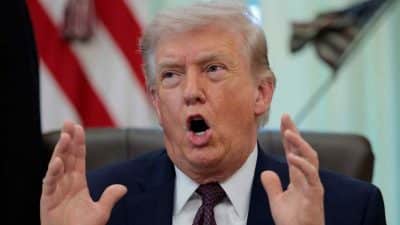
Iran's Islamic Revolutionary Guard Corps (IRGC) has restricted passage through the Strait of Hormuz while Tehran rejects claims made by Trump, escalating geopolitical tensions. This move complicates potential US-Iran negotiations and threatens global oil market stability, with significant implications for energy prices and broader macroeconomic conditions affecting cryptocurrency markets.
The IRGC's restriction of the Strait of Hormuz represents a critical escalation in US-Iran tensions, particularly as the incoming Trump administration signals a more confrontational approach to Iranian policy. The strait serves as a chokepoint for approximately 20% of global oil transit, making any disruption a systemic risk to energy markets worldwide. Tehran's rejection of Trump's statements suggests negotiations are unlikely to materialize in the near term, increasing the probability of sustained military posturing and potential incidents.
This situation builds on decades of US-Iran hostility, with Trump's previous maximum pressure campaign and subsequent nuclear deal withdrawal setting precedent for his policy approach. The current restrictions signal Iran's willingness to use its geographic advantage as leverage, demonstrating that deterrence through maritime control remains a core Iranian strategy. The timing coincides with broader Middle East instability, creating compounding risks across the region.
Energy markets respond significantly to Strait of Hormuz disruptions, with oil prices typically spiking during heightened tensions. Higher energy costs cascade through global economies, reducing consumer spending power and increasing inflation concerns. For cryptocurrency markets, such macroeconomic volatility creates both risk and opportunity—traditional recession hedges like Bitcoin attract capital during uncertain periods, while risk-off sentiment can suppress speculative assets. Traders should monitor crude oil futures and geopolitical risk indicators as leading indicators for crypto market direction.
Expect continued naval posturing, potential diplomatic incidents, and reactive oil market swings. Market participants should watch for any military escalation or formal sanctions announcements, which could trigger sharp moves across both traditional and digital assets.
- →IRGC's Strait of Hormuz restriction creates immediate geopolitical risk affecting 20% of global oil transit
- →Trump administration's confrontational stance makes near-term US-Iran negotiations unlikely
- →Oil price volatility from energy market disruptions typically correlates with cryptocurrency risk-off periods
- →Sustained tensions create macro uncertainty that traditionally benefits Bitcoin as a safe-haven asset
- →Monitor crude oil futures and military incident reports as early warning signals for crypto market volatility