
Iran’s IRGC clashes with Foreign Minister Araghchi as tensions rise
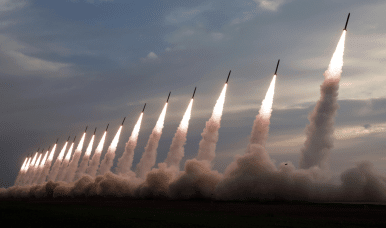
Internal power struggles within Iran's government between the Islamic Revolutionary Guard Corps (IRGC) and Foreign Minister Araghchi signal deepening institutional conflicts that could undermine diplomatic efforts with the United States. The IRGC's expanding influence over foreign policy decisions threatens to sideline diplomatic channels and potentially escalate regional tensions.
Iran's internal political dynamics are shifting as the IRGC consolidates control over foreign policy decisions, creating friction with the foreign ministry's diplomatic approach. This institutional clash reflects a broader tension between hardline military factions and pragmatic diplomats seeking negotiated solutions. The IRGC's dominance suggests Iran's hardline elements may be prioritizing confrontational posturing over diplomatic engagement, complicating any potential US-Iran negotiations on nuclear issues and sanctions relief.
Historically, the IRGC has wielded significant influence in Iran's decision-making, but recent escalations indicate this power dynamic is becoming more pronounced and contentious. Araghchi's apparent efforts to pursue diplomatic channels face resistance from military institutions with vested interests in maintaining tension and sanctions regimes. This internal competition reflects competing visions for Iran's regional strategy and international standing.
For cryptocurrency and blockchain markets, geopolitical tensions affecting US-Iran relations carry indirect implications. Sanctions regimes impact capital flows, asset valuations, and risk premiums across emerging markets. Additionally, heightened geopolitical uncertainty typically drives investors toward safe-haven assets and increases volatility in risk-on sectors, potentially affecting crypto market sentiment and institutional participation.
Monitoring Iran's internal political developments remains important for assessing broader Middle Eastern stability and potential sanctions-related policy shifts. The outcome of this institutional struggle will likely determine whether Iran pursues diplomatic engagement or escalation, both of which carry distinct implications for global markets and risk assessment.
- →IRGC's growing dominance over Iran's foreign policy threatens to undermine diplomatic negotiations with the United States
- →Internal power struggles between military and diplomatic institutions signal competing visions for Iran's regional strategy
- →Heightened institutional tension could lead to more confrontational posturing and escalated regional tensions
- →Geopolitical instability affects emerging market valuations and cryptocurrency market sentiment
- →Investors should monitor Iran's internal political dynamics as indicators of broader sanctions and capital flow risks