
IRGC warns US as Iran consolidates power amid 2026 leadership uncertainty
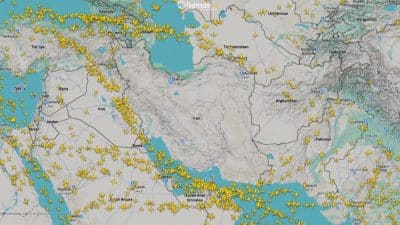
Iran's Islamic Revolutionary Guard Corps (IRGC) has issued warnings to the United States amid internal power consolidation during a period of leadership uncertainty heading into 2026. The geopolitical tension could increase regional instability and create volatility in global markets, including cryptocurrency and traditional financial markets sensitive to Middle Eastern developments.
Iran's power consolidation during a transitional leadership period represents a significant geopolitical inflection point with potential ripple effects across global markets. The IRGC's public warnings to the United States suggest heightened military posturing, likely driven by internal factional dynamics as various power centers jockey for influence ahead of 2026 leadership decisions. This consolidation pattern historically precedes either diplomatic escalation or military posturing, both of which carry market implications.
Contextually, Iran has experienced recurring cycles of internal power struggles that intersect with external relations. The 2026 timeline coincides with potential shifts in regional alliances and sanctions regimes. Leadership uncertainty in Iran typically triggers defensive military rhetoric and nationalist positioning, as factions compete to demonstrate strength and resolve. The IRGC's public warnings serve dual purposes: projecting strength domestically and testing international responses.
For cryptocurrency and financial markets, geopolitical tensions in the Middle East create volatility through multiple channels. Oil price fluctuations directly impact energy costs and inflation expectations, which cascade into risk asset valuations including crypto. Additionally, sanctions escalation could increase demand for decentralized financial infrastructure in affected regions, though regulatory responses might limit practical adoption. Institutional investors typically reduce risk exposure during geopolitical crises, creating potential downward pressure on speculative assets.
Monitoring developments requires tracking IRGC rhetoric intensity, US policy responses, and any sanctions announcements. Market participants should watch oil price movements and traditional safe-haven asset flows as leading indicators of escalation probability. The significance lies not in immediate military risk but in the unpredictability such internal power transitions introduce to regional stability.
- →Iran's IRGC consolidating power amid 2026 leadership uncertainty increases geopolitical risk in a volatile region.
- →Public warnings to the US indicate military posturing likely driven by internal factional competition for influence.
- →Middle Eastern tensions typically trigger oil price volatility and risk-off sentiment affecting cryptocurrency markets.
- →Leadership transitions in Iran historically create unpredictable periods where military-first positioning increases.
- →Investors should monitor oil prices and traditional safe-haven flows as early indicators of escalation risk.