
Iran’s Revolutionary Guards accuse Israel of missile attacks on Iranian soil as crypto markets brace for volatility
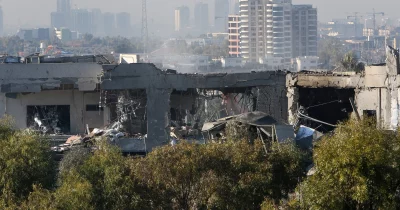
Iran's Revolutionary Guards have accused Israel of conducting missile attacks on Iranian territory, escalating Middle East tensions and prompting cryptocurrency markets to prepare for potential volatility. Geopolitical conflicts historically trigger safe-haven buying and risk-off sentiment in crypto markets, with investors shifting allocations in response to uncertainty.
The accusation from Iran's Revolutionary Guards represents a significant escalation in the ongoing Iran-Israel conflict, introducing acute geopolitical risk into global markets. Direct military confrontations between regional powers create unpredictable outcomes that force investors to reassess risk exposure across all asset classes, including cryptocurrencies. This particular development matters because crypto markets have increasingly demonstrated correlation with broader macro risk events, particularly when geopolitical tensions threaten energy supplies or global stability.
Historically, Middle East conflicts drive demand for alternative stores of value and hard assets. Bitcoin and other cryptocurrencies have positioned themselves as assets that operate outside traditional geopolitical constraints, attracting capital during periods of regional instability. The Iran-Israel dynamic specifically impacts oil markets, which influence inflation expectations and central bank policy decisions—both factors that indirectly affect crypto valuations and trading patterns.
Crypto markets are likely to experience heightened volatility as traders process the security implications and adjust positions accordingly. Risk-averse investors may take profits or rebalance toward stablecoins, while contrarian investors might view geopolitical dips as accumulation opportunities. The broader concern is whether escalation reaches a level that triggers coordinated intervention from international actors, creating sustained uncertainty.
Market participants should monitor developments closely for signs of direct U.S. involvement, international diplomatic responses, or oil price movements exceeding 10% swings—thresholds historically associated with significant crypto revaluations. The coming days will determine whether tensions stabilize or intensify further.
- →Iran-Israel military accusations inject acute geopolitical risk that typically increases crypto market volatility and alternative asset demand
- →Crypto markets may experience profit-taking or defensive positioning as investors reassess exposure to global instability
- →Oil price movements resulting from geopolitical tensions can create indirect but significant effects on crypto valuations through macro policy channels
- →The conflict adds uncertainty to broader risk sentiment, potentially favoring defensive assets and stablecoins in the near term
- →Escalation monitoring and oil market tracking are critical indicators for predicting sustained crypto volatility