
Jordan’s military intercepts Iranian missiles as Middle East tensions escalate
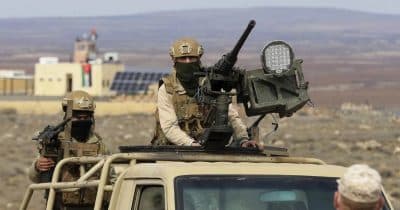
Jordan's military intercepted Iranian missiles as Middle East tensions escalate, signaling increased regional instability. This geopolitical escalation introduces heightened uncertainty into global markets, with potential ripple effects on cryptocurrency and traditional assets through risk-off sentiment and safe-haven asset demand.
The interception of Iranian missiles by Jordan's military represents a direct military engagement in an increasingly volatile regional conflict. This event underscores the fragility of Middle Eastern stability and demonstrates how quickly localized tensions can transform into broader confrontations involving multiple state actors. The escalation moves beyond proxy warfare into direct military action, creating immediate security concerns for regional allies and international stakeholders.
This incident follows a pattern of mounting tensions in the Middle East, where multiple actors—including Israel, Iran, various militia groups, and regional powers—have engaged in tit-for-tat military operations over recent months. Each escalation raises the risk of miscalculation or further retaliatory measures, perpetuating a cycle of instability that has characterized the region for years.
For cryptocurrency and broader financial markets, geopolitical crises typically trigger two competing dynamics: flight-to-safety moves toward traditional assets like gold and U.S. Treasuries, potentially pressuring risk assets including crypto, and energy price volatility given Middle Eastern oil production concerns. Bitcoin and alternative assets may experience short-term weakness as investors reduce exposure to volatile positions. However, crypto's role as a non-correlated asset can attract some hedging interest amid broader market uncertainty.
Market participants should monitor escalation indicators including additional military incidents, responses from major powers, and impacts on energy markets. If tensions continue rising, expect increased volatility across crypto markets alongside traditional equities and commodities. The duration and scope of future military actions will ultimately determine whether this represents a temporary spike in volatility or signals a structural shift in regional geopolitics affecting global risk appetite.
- →Direct military interception marks escalation from previous proxy-based Middle East conflicts.
- →Geopolitical crises typically trigger safe-haven demand, pressuring risk assets including cryptocurrency.
- →Energy market volatility from regional instability could indirectly affect macroeconomic conditions and investor sentiment.
- →Cryptocurrency markets may experience short-term weakness alongside traditional equities during heightened geopolitical uncertainty.
- →Further military incidents or retaliatory actions could signal sustained instability with prolonged market implications.