
Khamenei burial site undetermined, signaling Iranian regime disarray
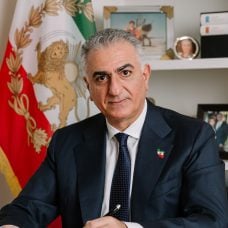
Iran's Supreme Leader succession remains uncertain as the regime has not determined a burial site for Khamenei, signaling deeper internal instability and leadership vulnerabilities. This institutional disorder raises questions about power continuity and regime consolidation during a period of geopolitical tension.
The absence of a predetermined burial site for Iran's Supreme Leader represents an unusual breakdown in state institutional planning, typically a hallmark of authoritarian regimes that meticulously control succession narratives and symbolic continuity. Such ambiguity suggests internal factions within Iran's leadership cannot reach consensus on ceremonial arrangements—a proxy for deeper disagreements over succession itself, policy direction, and power consolidation. This institutional paralysis occurs against a backdrop of regional tensions, sanctions pressure, and economic strain that demand unified decision-making.
Historically, autocratic regimes project stability through controlled succession planning and symbolic management of leadership transitions. Iran's Islamic Revolutionary Guard Corps, clerical establishment, and civilian government branches have shown recurring friction over policy and resources. The burial site uncertainty indicates these divisions may be intensifying rather than resolving, with different factions potentially backing competing succession scenarios or maintaining ambiguity as tactical leverage.
For cryptocurrency and blockchain markets, geopolitical instability in key regional players creates ripple effects through energy markets, sanctions compliance complexity, and capital flight patterns. Iranian entities and individuals increasingly turn to cryptocurrencies to circumvent Western financial restrictions, making regime instability a secondary driver of crypto adoption in the region. Market participants monitor Iran-related geopolitical risk as it influences broader macro volatility, oil prices, and risk-asset sentiment.
Observers should track official Iranian statements about succession protocols, military establishment positioning, and any shifts in sanctions enforcement as indicators of regime stabilization or further fragmentation.
- →Iran's unresolved burial site arrangement signals internal leadership divisions and institutional dysfunction during a critical succession period.
- →Regime instability creates unpredictability for international relations and potential shifts in sanctions enforcement affecting financial flows.
- →Cryptocurrency adoption in Iran may accelerate as individuals seek capital preservation tools amid political uncertainty.
- →Geopolitical instability in major regional powers typically increases demand for alternative financial systems and affects global risk sentiment.
- →Market participants should monitor succession developments as indicators of broader regime stability and policy continuity.