
Iran leaders reportedly assassinated, complicating US nuclear deal prospects
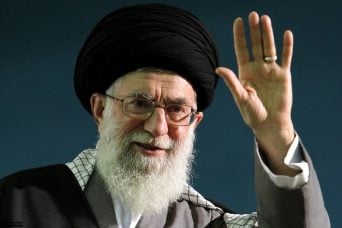
Reports of assassinations of Iranian leaders have escalated geopolitical tensions in the Middle East, threatening to derail ongoing US nuclear deal negotiations. The crisis introduces significant regional instability that could ripple through global markets, including cryptocurrency and energy sectors sensitive to geopolitical risk.
The reported assassinations of Iranian leadership represent a critical escalation in Middle Eastern geopolitical tensions with far-reaching implications for global stability. Such high-level political violence typically triggers immediate uncertainty across multiple markets as investors reassess risk exposure to affected regions and related economic activities. The direct impact on nuclear diplomacy is significant—diplomatic breakthroughs require sustained engagement and trust-building between parties, both of which become extremely difficult during periods of acute political upheaval and leadership transitions. This instability historically precedes energy market volatility, as Iran's oil production and sanctions regimes become subjects of renewed international focus.
For cryptocurrency and digital asset markets, geopolitical crises create predictable patterns: initial risk-off sentiment as investors flee emerging market exposure, potential safe-haven demand for non-correlated assets like Bitcoin, and volatility spikes across altcoins tied to energy or regional economies. The broader context matters here—Middle Eastern tensions have repeatedly influenced oil prices, which indirectly affect inflation expectations and central bank monetary policy, creating cascading effects through crypto valuations.
The nuclear deal question carries additional weight for energy markets and sanctions-dependent economies. Breakdown in diplomatic channels could trigger renewed sanctions regimes, impacting global trade flows and triggering inflation concerns. For cryptocurrency holders, geopolitical crises often correlate with both volatility spikes and increased adoption in sanctioned or unstable regions seeking alternative payment systems.
Investors should monitor three key developments: whether new Iranian leadership commits to or abandons nuclear negotiations, how international responses affect oil markets and inflation expectations, and whether regional tensions escalate further, potentially pulling in other actors.
- →Assassination of Iranian leaders creates immediate uncertainty in nuclear diplomacy and regional stability
- →Geopolitical crises typically trigger risk-off sentiment affecting emerging markets and volatile assets
- →Potential breakdown in sanctions negotiations could influence global oil prices and inflation
- →Cryptocurrency markets may experience volatility while potentially seeing safe-haven demand
- →Energy sector sensitivity means macro effects could extend to broader financial markets