
Iran’s new leader absent from talks, raising leadership stability concerns
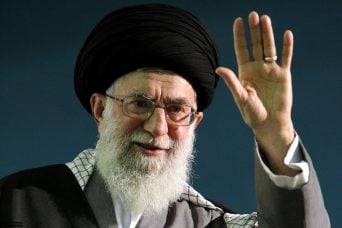
Iran's new leader's absence from diplomatic talks signals potential instability in the country's leadership structure, raising concerns about regional geopolitical shifts that could influence global markets, including cryptocurrency and energy sectors sensitive to Middle Eastern tensions.
Iran's leadership absence from critical negotiations represents a significant geopolitical development with cascading implications for global stability. When key political figures withdraw from diplomatic engagement, it typically signals internal power struggles, policy uncertainty, or deliberate strategic repositioning that destabilizes regional relationships and investor confidence alike.
Historically, Iranian leadership transitions have created market volatility, particularly in energy markets that influence macroeconomic conditions affecting risk assets like cryptocurrencies. The current situation echoes previous periods of Iranian instability that prompted international sanctions, capital controls, and capital flight—conditions that have historically driven cryptocurrency adoption in sanctioned economies as citizens seek alternative store-of-value assets and payment mechanisms outside traditional banking systems.
For crypto markets, geopolitical instability in major oil-producing regions typically correlates with broader macroeconomic uncertainty. Investors reassess risk premiums across assets, often rotating into perceived safe havens or volatile alternative assets depending on the severity of perceived threats. Cryptocurrency's role as a borderless, censorship-resistant asset becomes more attractive in regions facing sanctions or financial isolation, though broader market sentiment tends toward caution during geopolitical crises.
Observers should monitor whether this leadership instability escalates into formal sanctions, military confrontations, or accelerated regional arms races. Any significant geopolitical deterioration could trigger flight-to-safety dynamics that initially suppress risk assets like cryptocurrencies, though longer-term impacts depend on whether sanctions regimes tighten—potentially increasing crypto adoption among affected populations and institutions seeking to circumvent capital controls.
- →Iran's leader's absence from talks indicates potential internal political instability affecting regional geopolitics.
- →Historical Iranian leadership crises have driven cryptocurrency adoption as sanctions-affected populations seek alternative financial tools.
- →Geopolitical tension in oil-producing regions typically increases macroeconomic uncertainty that influences broader crypto market sentiment.
- →Escalating instability could trigger sanctions that paradoxically increase cryptocurrency demand in affected jurisdictions.
- →Monitor for formal policy announcements or military escalation that would significantly impact global market risk perception.