
Iran leadership vacuum complicates diplomatic efforts amid ongoing conflict
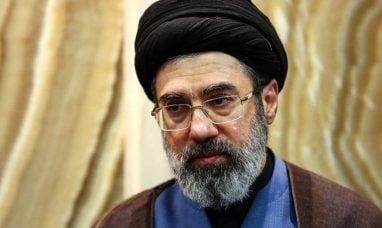
Iran's leadership vacuum is intensifying political instability and complicating international diplomatic negotiations, potentially triggering significant geopolitical realignments. The power void creates uncertainty for investors monitoring Middle Eastern developments and their cascading effects on global markets, including cryptocurrency and energy sectors.
Iran's internal leadership crisis represents a critical juncture in Middle Eastern geopolitics with ripple effects across multiple markets. The vacuum emerges during heightened regional tensions, creating a power struggle among competing factions that weakens Iran's negotiating position on the world stage. This internal fragmentation makes coordinated diplomatic engagement increasingly difficult, as no single authority can credibly commit to agreements or policy directions.
Historically, Iranian leadership transitions have triggered market volatility, particularly in energy prices and broader risk-on/risk-off sentiment. The current vacuum extends this pattern by creating prolonged uncertainty rather than a swift succession. Previous Iranian political crises have prompted investors to reassess exposure to geopolitically sensitive assets, including commodities and emerging market cryptocurrencies. The prolonged instability extends decision-making timelines for investors and policymakers alike.
For cryptocurrency markets, geopolitical instability typically correlates with increased volatility and flight-to-value dynamics. Investors monitoring Iran-adjacent positions—whether through sanctions-exposed entities or regional economic data—face compounded uncertainty. Additionally, cyber activity often intensifies during periods of internal political tension, creating security considerations for exchanges and custodians operating in sensitive jurisdictions.
The coming months will reveal whether the leadership vacuum resolves quickly or persists, fundamentally altering negotiating dynamics with Western powers. Investors should monitor diplomatic channel signals and any policy shifts that could affect regional stability, energy markets, and broader macro conditions influencing crypto valuations.
- →Iran's leadership vacuum undermines diplomatic negotiations and extends political uncertainty across the region
- →Historical precedent shows Iranian political crises correlate with increased volatility in energy and cryptocurrency markets
- →Prolonged power struggles prevent credible policy commitments, complicating international agreements and risk assessments
- →Geopolitical instability typically triggers flight-to-safety dynamics affecting risk asset valuations including cryptocurrencies
- →Investors should monitor diplomatic signals and policy developments for signals indicating resolution or escalation timelines