
Iran uses Strait of Hormuz as leverage in Trump sanction talks
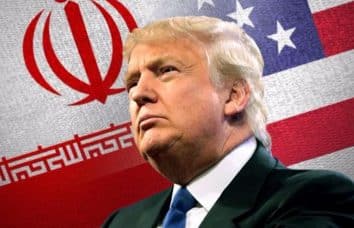
Iran is leveraging control of the Strait of Hormuz as a negotiating tool in discussions with the Trump administration regarding potential sanctions. This geopolitical maneuver heightens tensions in a critical global energy corridor and introduces uncertainty into commodity markets, with ripple effects across cryptocurrency and broader financial markets.
Iran's strategic use of the Strait of Hormuz as leverage in sanction negotiations represents a calculated escalation in geopolitical tensions affecting global energy security. The Strait remains one of the world's most critical chokepoints, with approximately 21% of global petroleum passing through it annually. By signaling potential disruption to this vital corridor, Iran amplifies pressure on the Trump administration during diplomatic discussions, creating immediate uncertainty in energy markets and broader macroeconomic conditions.
This situation builds on decades of U.S.-Iran tensions punctuated by sanctions cycles. The Trump administration's historical approach to Iran policy—marked by maximum pressure campaigns and withdrawal from the nuclear agreement—creates a high-stakes backdrop for current negotiations. Iran's willingness to invoke Hormuz as leverage suggests limited alternative negotiating positions and increasing desperation to secure relief from crippling economic sanctions.
Energy market volatility directly impacts cryptocurrency investors through correlation with broader macroeconomic conditions. Oil price spikes driven by geopolitical uncertainty typically trigger risk-off sentiment, affecting both traditional markets and crypto assets. Bitcoin and other cryptocurrencies often decline during periods of elevated geopolitical risk as investors flee to perceived safe havens like U.S. Treasuries. Market participants should monitor crude oil prices and shipping indices as leading indicators of escalation risk.
Investors should track diplomatic developments and any statements from U.S. or Iranian officials regarding Hormuz operations. A genuine blockade would create sustained energy price shocks with cascading effects across equity markets and crypto valuations. Conversely, successful negotiations could reduce uncertainty and potentially support risk-on sentiment across digital assets.
- →Iran uses Strait of Hormuz control as leverage in Trump sanction negotiations, raising geopolitical tensions
- →The Strait handles 21% of global petroleum trade, making disruptions a serious macroeconomic threat
- →Energy market volatility from geopolitical risk typically correlates with crypto market downturns
- →Crypto investors should monitor oil prices and diplomatic developments as leading risk indicators
- →Resolution of negotiations could reduce uncertainty and support broader risk-on sentiment