
Iran publishes new map asserting control over Strait of Hormuz
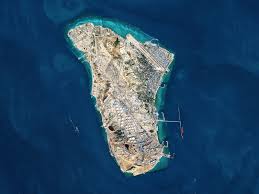
Iran has published a new map asserting territorial control over the Strait of Hormuz, escalating geopolitical tensions in a critical global shipping corridor. This move reduces prospects for near-term shipping normalization and undermines market confidence in regional stability.
Iran's assertion of control over the Strait of Hormuz through map publication represents a significant escalation in regional posturing. The Strait of Hormuz serves as one of the world's most critical chokepoints for energy transport, with roughly 21% of global petroleum passing through its waters daily. When geopolitical tensions spike in this region, they directly influence crude oil price volatility, which cascades through energy markets and affects inflation expectations globally.
This cartographic claim emerges amid broader tensions between Iran and Western powers over nuclear negotiations and sanctions regimes. The publication signals Iran's willingness to challenge international maritime norms and assert dominance over waters through which major trading partners conduct commerce. Historically, such assertions have preceded periods of increased shipping friction, insurance premium hikes, and supply chain disruptions.
For cryptocurrency and blockchain markets, geopolitical instability in oil-producing regions creates macroeconomic headwinds. Rising energy costs feed inflationary pressures that central banks may address through tighter monetary policy, typically pressuring risk assets including digital currencies. Additionally, potential sanctions escalation could impact Iran's ability to use cryptocurrency as a workaround for financial isolation, though this remains a secondary concern compared to broader macro effects.
Investors should monitor shipping insurance costs through the Strait and crude oil futures as leading indicators of escalation severity. Any military confrontation or shipping incidents would likely trigger flight-to-safety behavior, potentially benefiting traditional safe havens over speculative assets. The market will watch whether this remains rhetorical posturing or develops into actionable blockade threats.
- →Iran's Strait of Hormuz map assertion heightens geopolitical risk in a critical global energy corridor affecting 21% of petroleum shipments.
- →Escalating regional tensions typically precede oil price volatility and inflation concerns that pressure risk assets including cryptocurrencies.
- →Shipping insurance premiums and crude oil futures movements will serve as key indicators of actual escalation severity.
- →Potential sanctions expansion could theoretically drive interest in cryptocurrency alternatives for Iran, though macro effects dominate market impact.
- →Market participants should prepare for potential flight-to-safety dynamics if tensions translate into actual disruptions or military incidents.