
Iran restocks missiles, drones during ceasefire ahead of April 22 deadline
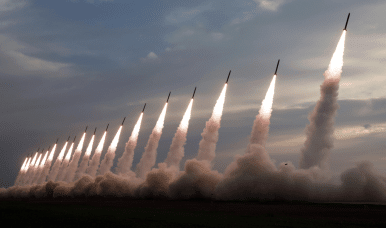
Iran is restocking missiles and drones during an active ceasefire period ahead of an April 22 deadline, escalating regional military tensions. This military buildup during a supposed truce undermines diplomatic initiatives and raises concerns about the sustainability of peace efforts in the region.
Iran's decision to restock military hardware during a ceasefire represents a significant escalation that contradicts the stated purpose of the truce. The timing is particularly sensitive given the April 22 deadline, suggesting either a negotiating tactic or genuine preparation for renewed conflict. This pattern of military preparation during diplomatic pauses reflects a broader geopolitical strategy of maintaining operational readiness while engaging in negotiations.
Historically, regional conflicts in the Middle East create market volatility, particularly impacting oil prices, defense sector equities, and risk-on cryptocurrency positions. The Iran-related geopolitical tensions have previously triggered safe-haven asset flows, benefiting gold and traditional defensive holdings while pressuring emerging market currencies. The current militarization during ceasefire negotiations echoes past failed diplomatic efforts, suggesting investors should monitor escalation indicators closely.
For cryptocurrency and broader markets, this development carries indirect but meaningful implications. Geopolitical instability typically correlates with increased macroeconomic uncertainty, prompting portfolio rebalancing toward safer assets and away from risk assets including altcoins and emerging market exposures. However, such tensions can also drive demand for decentralized financial infrastructure and cross-border payment solutions as institutions seek alternatives to traditional banking corridors affected by sanctions.
Investors should track April 22 developments carefully, as this deadline may trigger either diplomatic breakthroughs or military escalation. Historical precedent suggests that unresolved Middle East tensions maintain downward pressure on risk sentiment for extended periods, potentially dampening enthusiasm for growth-oriented cryptocurrency assets.
- →Iran's military restocking during ceasefire signals preparation for potential conflict renewal by April 22 deadline
- →Regional geopolitical instability historically correlates with cryptocurrency volatility and safe-haven asset flows
- →Failed diplomatic efforts create extended periods of risk-off sentiment that pressure altcoin markets
- →Sanctions and regional conflicts increase demand for decentralized payment and financial infrastructure solutions
- →Investors should monitor April 22 deadline closely as a critical decision point for market direction