
Iran emphasizes missile power over dialogue, impacting US-Iran deal prospects
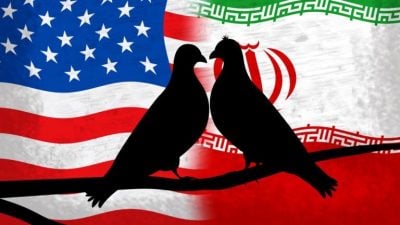
Iran is prioritizing military capabilities, particularly missile development, over diplomatic engagement, which threatens to derail US-Iran nuclear negotiations and escalate regional tensions. This strategic shift complicates prospects for renewed international agreements and increases geopolitical instability.
Iran's decision to emphasize military strength rather than pursue diplomatic channels represents a significant shift in its foreign policy approach, signaling reduced confidence in negotiated settlements. This posture directly undermines efforts to restore the Joint Comprehensive Plan of Action (JCPOA), which had previously constrained Iran's nuclear program in exchange for sanctions relief. The pivot toward military expansion suggests Tehran views military deterrence as more reliable than international agreements, particularly given the US withdrawal from the nuclear deal under the Trump administration and subsequent sanctions escalation.
Historically, Iran has cycled between hardline military stances and diplomatic openings depending on economic pressure and leadership priorities. The current emphasis on missiles reflects broader regional dynamics, including proxy conflicts in Yemen, Syria, and Iraq, alongside concerns about Israeli and US military presence. These tensions have escalated dramatically following recent Israeli strikes and ongoing threats to Iranian nuclear facilities.
For cryptocurrency and blockchain markets, geopolitical volatility directly impacts investor risk appetite and capital flows. Regional instability typically triggers flight-to-safety behavior, strengthening traditional safe havens like the US dollar while creating headwinds for risk assets including crypto and emerging market tokens. Sanctions regimes also influence blockchain adoption in Iran, as international financial restrictions drive domestic interest in decentralized finance alternatives.
Market participants should monitor developments in regional tensions closely, as military escalation could trigger broader macro uncertainty affecting asset valuations. Future negotiations involving new administrations or regional mediators will determine whether this military emphasis represents a temporary posture or sustained strategic reorientation.
- →Iran's military-first strategy reduces likelihood of near-term nuclear deal restoration and sanctions relief
- →Regional instability typically drives risk-off sentiment, weighing on cryptocurrency and emerging market assets
- →Geopolitical escalation increases demand for decentralized finance solutions in sanctions-affected regions
- →Investors should monitor US-Iran relations as a macro risk factor alongside traditional political indicators
- →Sanctions persistence may accelerate blockchain adoption in Iran as alternative financial infrastructure