
Trump to discuss military options on Iran as tensions rise
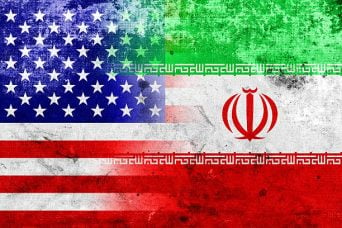
Trump plans to discuss military options regarding Iran as regional tensions escalate. A shift toward military rather than diplomatic approaches could destabilize the Middle East and complicate future peace negotiations, with potential ripple effects on global markets and cryptocurrency volatility.
Geopolitical tensions involving major powers directly influence cryptocurrency and broader financial markets through multiple transmission channels. Military escalation in the Middle East historically triggers risk-off sentiment, prompting investors to seek safe-haven assets and reassess portfolio exposure to volatile growth sectors. The article indicates a potential policy pivot toward military engagement over diplomacy with Iran, a shift that could increase regional instability and uncertainty.
Middle East tensions have historically correlated with crude oil price spikes, which ripple through energy markets and inflation expectations. Higher energy costs feed into broader macroeconomic pressures that central banks monitor, potentially affecting monetary policy decisions that indirectly influence Bitcoin and altcoin valuations. Additionally, military conflicts disrupt global supply chains and increase geopolitical risk premiums across financial assets.
For cryptocurrency investors, escalating geopolitical risks typically manifest as increased volatility and inflows into perceived safe-haven digital assets like Bitcoin, viewed by some as portfolio insurance. However, the initial reaction often involves margin liquidations and stop-loss hunting as leveraged positions unwind amid uncertainty. Regulatory scrutiny may also intensify if the U.S. government implements sanctions or capital controls related to Iran-connected entities or broader conflict response.
Market participants should monitor diplomatic developments, sanctions announcements, and oil price movements as leading indicators of broader market direction. The crypto market's reaction will depend on whether escalation triggers risk-off selling across all assets or selective inflows into non-correlated alternatives. Long-term, sustained military involvement would likely sustain elevated volatility premiums across risk assets.
- →Military escalation over diplomacy increases Middle East instability and geopolitical risk premiums across financial markets
- →Oil price volatility from regional tensions historically correlates with cryptocurrency market movements and safe-haven demand for Bitcoin
- →Cryptocurrency markets often experience initial volatility from geopolitical shocks before stabilizing around fundamental valuations
- →U.S. sanctions related to conflict response could affect crypto compliance and trading restrictions on Iran-connected addresses
- →Investors should track diplomatic updates and oil futures as leading indicators of broader crypto market direction