
Iranian army chief vows readiness to confront enemies amid rising tensions
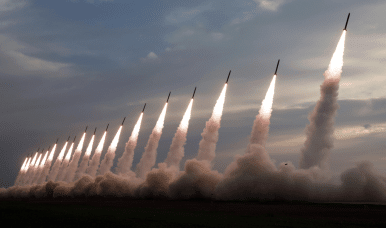
Iran's military leadership has signaled heightened readiness amid escalating regional tensions, with implications for global geopolitical stability. Rising military posturing threatens to destabilize the region and could trigger volatility in international markets, including cryptocurrency and traditional asset classes.
Military escalations in the Middle East carry significant ripple effects across global financial systems. When geopolitical tensions rise, investors typically seek safe-haven assets and reduce exposure to risk assets, including cryptocurrencies. The Iranian army's renewed readiness statements reflect broader regional instability driven by competing interests among multiple state and non-state actors. Historical precedent shows that Middle Eastern conflicts and military posturing correlate with increased volatility in oil markets, currency valuations, and cryptocurrency price movements as traders reassess macroeconomic risk.
The broader context involves years of sanctions, proxy conflicts, and diplomatic negotiations that have created a fragile equilibrium in the region. Each military pronouncement raises questions about potential escalation paths and their economic consequences. For cryptocurrency markets specifically, geopolitical risk premiums often manifest as flight-to-quality movements, where investors move capital toward assets perceived as more stable or decentralized, potentially supporting Bitcoin and stablecoins while pressuring altcoins.
For investors and traders, regional military tensions warrant heightened attention to macroeconomic indicators and geopolitical risk metrics. Cryptocurrency markets, increasingly sensitive to macro conditions and risk-off sentiment, could experience pressure if tensions escalate further. Oil price movements particularly influence broader market sentiment. Traders should monitor official statements from regional powers, diplomatic channels, and sanctions developments as leading indicators. While short-term volatility may increase, the fundamental impact depends on whether tensions translate into actual military conflict or remain rhetorical posturing.
- →Iranian military readiness statements indicate heightened regional tensions with potential global market implications
- →Geopolitical instability typically triggers flight-to-quality movements affecting cryptocurrency valuations
- →Oil market sensitivity to Middle East tensions creates spillover effects across asset classes including crypto
- →Investors should monitor diplomatic channels and sanctions developments as early warning indicators
- →Risk-off sentiment from military escalation may pressure altcoins while supporting defensive assets