
Iran warns of unprecedented military action over US vessel seizures
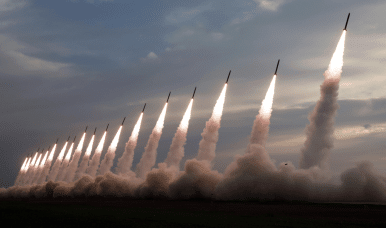
Iran has threatened unprecedented military action in response to US vessel seizures, escalating regional tensions and heightening geopolitical risk. Such military confrontations could destabilize Middle Eastern markets and create broader conflict that disrupts global trade and financial systems.
The Iranian military threat over US vessel seizures represents a significant escalation in US-Iran tensions that extends beyond diplomatic channels into direct military posturing. This confrontation occurs within a broader pattern of regional instability where maritime disputes, sanctions enforcement, and naval operations create recurring flashpoints. The timing and rhetoric suggest Iran is responding to perceived provocations while attempting to reassert regional influence amid economic pressure from international sanctions.
Geopolitically, such tensions matter to crypto and broader financial markets because Middle Eastern conflicts historically trigger commodity price volatility, particularly oil, which influences global inflation expectations and central bank policy. Risk-off sentiment during military escalations typically drives investors toward safe-haven assets, potentially benefiting Bitcoin and other cryptocurrencies positioned as uncorrelated stores of value. Conversely, prolonged uncertainty can suppress risk appetite across all asset classes.
The cryptocurrency market remains sensitive to geopolitical shocks that disrupt global trade routes or energy markets. US-Iran confrontations directly affect oil prices and shipping routes critical to global supply chains, creating macroeconomic headwinds that influence investment behavior. Additionally, any military action could trigger fresh sanctions regimes, affecting blockchain adoption in sanctioned jurisdictions and creating regulatory uncertainty for crypto exchanges operating in affected regions.
Market participants should monitor escalation indicators including official statements from both governments, military deployment reports, and oil price reactions. De-escalation signals or diplomatic engagement could reverse bearish sentiment, while actual military incidents would likely trigger immediate market volatility and flight-to-safety dynamics favoring defensive assets.
- →Iran's military threats over vessel seizures escalate US-Iran tensions beyond diplomatic resolution channels.
- →Regional military conflict typically triggers oil price volatility and risk-off sentiment across financial markets.
- →Cryptocurrency markets may experience safe-haven demand or volatility depending on conflict escalation trajectory.
- →New sanctions regimes resulting from military action could impact blockchain adoption and crypto exchange operations.
- →Investors should monitor geopolitical indicators and oil prices as leading signals for market direction.