
Iran warns military ships in Strait of Hormuz may become targets
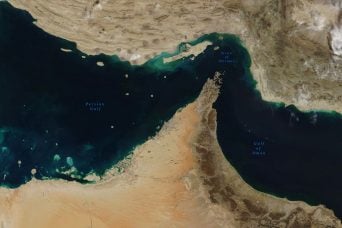
Iran has warned that military ships in the Strait of Hormuz may become targets amid escalating regional tensions. The heightened conflict risks disrupting global shipping lanes critical for energy supplies, which could create volatility in cryptocurrency and traditional markets through broader macroeconomic instability.
The Strait of Hormuz represents one of the world's most strategically critical chokepoints, with approximately 20-30% of global petroleum passing through its waters daily. Iranian warnings regarding military vessel targeting signal a significant escalation in geopolitical tensions that extends far beyond regional boundaries. This conflict creates cascading risks across energy markets, supply chain logistics, and broader economic stability—factors that historically correlate with cryptocurrency market volatility as investors seek alternative asset classes during periods of uncertainty.
The Middle East has experienced recurring military confrontations over the past decade, with the Strait of Hormuz serving as a flashpoint for U.S.-Iran tensions. Previous incidents, including drone strikes and tanker seizures, have caused temporary spikes in oil prices and generated corresponding cryptocurrency rallies as investors hedged against inflation and currency devaluation. The current warning suggests potential escalation from rhetorical posturing to operational military action.
Direct market implications include potential crude oil price surges, which increase inflation expectations and may trigger central bank policy responses. Higher energy costs reduce corporate earnings forecasts and consumer spending power, creating headwinds for risk assets including cryptocurrencies. Conversely, geopolitical uncertainty traditionally strengthens demand for Bitcoin as a store of value uncorrelated to regional conflicts.
Monitoring developments requires tracking oil price movements, shipping insurance costs (Baltic Dry Index), and central bank communications. Sustained tensions could prompt coordinated international responses that reshape energy markets and trigger capital reallocation patterns affecting cryptocurrency valuations.
- →Iran's military warnings in the Strait of Hormuz threaten disruption of 20-30% of global daily petroleum supplies
- →Geopolitical escalation historically correlates with increased cryptocurrency volatility as investors seek non-correlated assets
- →Higher energy costs from supply disruptions increase inflation risk and may constrain central bank policy flexibility
- →Oil price spikes during Middle East crises typically precede cryptocurrency rallies driven by inflation hedging demand
- →International shipping insurance costs and crude prices serve as leading indicators for broader market instability