
Iran-backed militias attack US-UK base in Iraq 28 times before ceasefire
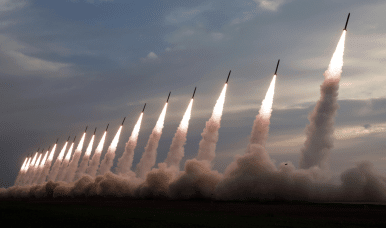
Iran-backed militias conducted 28 attacks on a US-UK military base in Iraq before a ceasefire took effect, underscoring escalating US-Iran tensions. The incident highlights the risk of broader regional military conflict that could have macroeconomic consequences affecting global markets, including cryptocurrency and digital assets.
The 28 attacks on the US-UK base represent a significant escalation in proxy warfare between the United States and Iran, demonstrating Tehran's willingness to maintain sustained military pressure despite diplomatic channels remaining open. This campaign suggests that Iranian-aligned groups are testing US resolve and capability to defend regional assets, a tactic that has intensified as broader Middle Eastern tensions remain unresolved. The eventual ceasefire indicates some de-escalation, but the preliminary assault wave signals underlying instability that could reignite without sustained diplomatic progress.
Historically, Middle Eastern military tensions create macroeconomic uncertainty that reverberates through global markets. Oil price volatility, geopolitical risk premiums, and capital flight to safe-haven assets typically accompany such conflicts. Cryptocurrency markets often benefit from geopolitical uncertainty as investors seek non-state-controlled asset classes and inflation hedges, particularly in regions affected by sanctions or currency instability. However, sustained conflict could disrupt global supply chains and trigger broader economic slowdowns that dampen risk appetite across all asset classes, including digital assets.
For crypto investors and industry participants, the key concern is how escalating Middle Eastern tensions influence US foreign policy and potential sanctions regimes. Iran has historically turned to cryptocurrency to circumvent financial sanctions, and increased tensions could prompt stricter regulatory frameworks around crypto transactions linked to sanctioned entities. The market should monitor whether this ceasefire holds and whether de-escalation signals reduce geopolitical risk premiums that have supported alternative assets.
- →28 attacks on a US-UK base before ceasefire underscore persistent US-Iran tensions despite diplomatic efforts.
- →Middle Eastern military escalations typically increase oil prices and geopolitical risk premiums affecting global markets.
- →Cryptocurrency has historically served as a sanctions-evasion tool for Iran, potentially linking crypto policy to regional tensions.
- →Geopolitical uncertainty can redirect capital toward safe-haven and alternative assets like Bitcoin, but sustained conflict risks broader economic slowdown.
- →Investors should monitor ceasefire stability and US regulatory responses to sanctions-related crypto activity.