
Iran deploys mini subs in Hormuz, escalating US naval standoff
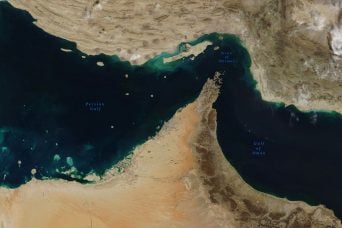
Iran has deployed mini submarines in the Strait of Hormuz amid escalating tensions with the US, raising concerns about potential disruptions to global oil supply and maritime stability. The geopolitical escalation could impact energy markets and investor confidence in risk assets including cryptocurrencies.
Iran's deployment of mini submarines in the Strait of Hormuz represents a significant escalation in an already volatile geopolitical standoff with the United States. The Strait of Hormuz serves as a critical chokepoint for global energy trade, with approximately one-third of all seaborne oil passing through its waters. This military posturing signals Iran's willingness to demonstrate asymmetric naval capabilities in response to US pressure, whether stemming from sanctions, naval presence, or diplomatic tensions.
Historically, disruptions to Hormuz traffic have triggered immediate oil price spikes and broader market volatility. Previous incidents—from tanker seizures to drone attacks on shipping—have caused crude to surge 5-10% within days. The current escalation follows years of tense US-Iran relations, including sanctions regimes and periodic military provocations that have created an unpredictable risk environment for energy markets and global trade.
For cryptocurrency and digital asset markets, geopolitical escalation acts as a double-edged sword. Risk-off sentiment typically strengthens safe-haven assets like Bitcoin, which some investors view as uncorrelated to traditional markets. However, if the standoff escalates to actual military conflict, broader economic disruption—including oil supply shocks—could trigger liquidity crises that force margin calls and asset sales across all markets, pressuring crypto prices alongside equities and commodities.
Investors should monitor developments closely, as any incident in Hormuz could rapidly shift market dynamics. Energy sector volatility typically precedes broader macroeconomic uncertainty that influences cryptocurrency trading patterns and regulatory responses.
- →Mini submarine deployment signals Iran is escalating military posturing in the Strait of Hormuz amid US tensions.
- →Hormuz disruptions historically trigger 5-10% oil spikes within days, affecting global energy prices and market confidence.
- →Geopolitical escalation can drive risk-off sentiment, potentially supporting Bitcoin as a perceived safe-haven asset.
- →Broader conflict could trigger liquidity crises and margin calls that pressure cryptocurrency prices alongside traditional assets.
- →Investors should monitor Hormuz developments as catalysts for sudden shifts in risk sentiment and energy market volatility.