
Iran missile attack on US ships escalates Strait of Hormuz tensions
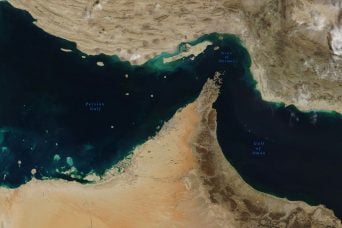
Escalating military tensions in the Strait of Hormuz following an Iranian missile attack on US ships threaten to disrupt global trade routes and destabilize the region. Such geopolitical conflicts typically create market volatility, particularly in energy prices and risk assets including cryptocurrencies.
Military escalation in the Strait of Hormuz represents a critical flashpoint for global economic stability. The waterway serves as a chokepoint for approximately 20% of world oil supplies, making any disruption to shipping lanes a systemic risk to energy markets and broader economic activity. When tensions spike in this region, oil prices typically surge due to supply uncertainty, which cascades through inflation expectations and central bank policy considerations.
The historical context reveals a pattern of recurring tensions between Iran and the US, punctuated by diplomatic negotiations and military posturing. These cycles have become increasingly unpredictable, with each escalation raising questions about whether diplomatic channels remain viable. The current missile attack signals a more assertive Iranian stance, potentially in response to prior sanctions or military actions.
For cryptocurrency markets, geopolitical risk typically drives safe-haven demand dynamics. Rising tensions correlate with increased volatility in traditional markets, which can either strengthen crypto's appeal as a non-correlated asset or trigger risk-off sentiment that depresses speculative asset classes. Energy price spikes directly impact mining operations and network costs, while inflation concerns reshape institutional investment thesis around Bitcoin and other stores-of-value narratives.
Investors should monitor whether this escalation triggers broader sanctions regimes or supply disruptions that would materially impact global inflation and monetary policy trajectories. The market's reaction will depend on whether tensions remain localized or trigger wider regional conflict involving major trading partners.
- →Strait of Hormuz disruptions threaten 20% of global oil supply and create immediate inflationary pressures
- →Geopolitical risk typically increases cryptocurrency volatility and reshapes asset allocation dynamics
- →Energy price spikes directly impact crypto mining profitability and network sustainability
- →Diplomatic uncertainty creates macro headwinds that complicate central bank policy decisions
- →Extended tensions could trigger new sanctions regimes affecting global trade and crypto market liquidity