
Iran escalates tensions with missile attacks on Kuwait
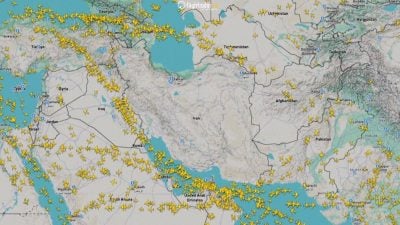
Iran's escalating missile attacks on Kuwait signal a dangerous deterioration in Middle Eastern stability, with potential ripple effects across global markets including cryptocurrency and energy sectors. Diminishing diplomatic prospects threaten to destabilize the region, creating uncertainty that historically correlates with increased volatility in risk assets.
Iran's military escalation represents a significant shift in regional power dynamics, moving beyond rhetoric into direct military action. This development challenges decades of diplomatic precedent and signals leadership confidence in pursuing aggressive foreign policy despite international pressure. The attacks on Kuwait, a key U.S. ally and major oil producer, demonstrate willingness to directly confront Western-aligned states in the Persian Gulf, fundamentally altering the calculus of regional security.
Historically, Middle Eastern military tensions trigger broader geopolitical instability. Previous conflicts in Iraq, Syria, and Yemen have destabilized energy markets and created safe-haven asset flows. Current diplomatic channels appear weakened, with reduced communication between Iran and Western powers suggesting limited off-ramps for de-escalation. Regional actors now face uncertainty regarding response thresholds and escalation limits.
Crypto and broader financial markets respond predictably to geopolitical risk. Oil price spikes from supply disruption concerns drive inflation expectations, historically creating headwinds for risk assets including cryptocurrencies. Flight-to-safety dynamics typically boost traditional hedges like gold and U.S. Treasury bonds, temporarily redirecting capital from emerging assets. Bitcoin's pseudo-safe-haven status receives mixed support during geopolitical crises—some investors flee risk entirely while others seek non-correlated assets.
Monitoring escalation patterns becomes critical for market participants. Potential U.S. or regional military responses could trigger sharp volatility across energy, equity, and crypto markets. Extended diplomatic breakdowns would sustain elevated risk premiums, affecting portfolio allocation decisions and asset valuations through 2024.
- →Iran's direct military action signals weakened diplomatic channels and increased regional conflict risk
- →Middle Eastern military escalation historically correlates with oil price spikes and safe-haven asset flows
- →Cryptocurrency markets face indirect pressure through inflation expectations and risk-asset repricing
- →Limited diplomatic off-ramps suggest potential for further escalation if initial attacks go unanswered
- →Investors should monitor energy markets and geopolitical developments for volatility signals