
Iran missile campaign continues against UAE amid escalating tensions
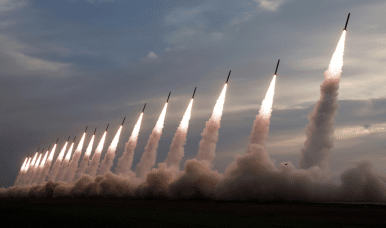
Iran is conducting an ongoing missile campaign against the UAE amid escalating regional tensions, risking broader destabilization of Middle Eastern security. The conflict threatens to strain UAE's defense capabilities at a time when U.S. military support remains limited, creating potential geopolitical spillover effects.
The escalating Iran-UAE missile tensions represent a significant regional security crisis with potential macroeconomic consequences. Iran's continued missile operations signal a deliberate escalation strategy, while the UAE faces mounting pressure to enhance its defensive posture despite constrained resources and uncertain U.S. commitment levels. This dynamic reflects broader Middle Eastern instability tied to proxy conflicts, nuclear negotiations, and shifting geopolitical alignments.
Historically, Iran-UAE tensions have fluctuated with regional power struggles, particularly involving Saudi Arabia, Israel, and various non-state actors. The current campaign appears linked to broader Iranian resistance strategies and potential responses to perceived U.S.-allied encroachment. Understanding this context reveals deep structural tensions unlikely to resolve quickly, suggesting sustained regional volatility.
Crypto and global markets remain sensitive to Middle Eastern geopolitical risks. Energy security concerns directly impact oil prices, which historically correlate with cryptocurrency volatility and broader risk-asset performance. The UAE's role as a growing crypto hub—hosting major exchanges and Web3 infrastructure—means prolonged conflict could disrupt these operations, deter institutional investment, and create regulatory uncertainty. Risk-averse investors may reassess exposure to regional assets.
Monitoring comes down to watching whether tensions remain contained or escalate toward direct U.S. involvement. Any expansion involving major shipping lanes, oil infrastructure, or broader coalition responses would trigger significant market reactions. Cryptocurrency investors should track geopolitical risk premiums and potential capital flight patterns into traditional safe havens.
- →Iran's ongoing missile operations threaten UAE security and strain defense resources amid limited U.S. support.
- →The conflict reflects deeper Middle Eastern geopolitical tensions tied to nuclear negotiations and proxy warfare.
- →UAE's position as a crypto hub means regional instability could disrupt blockchain infrastructure and institutional investment flows.
- →Energy security concerns from escalated tensions may increase oil price volatility, affecting overall market risk sentiment.
- →Investors should monitor whether tensions remain regional or escalate toward broader international military involvement.