
Iran launches nearly 9,000 missiles, drones; UAE hit hardest with 2,819 attacks
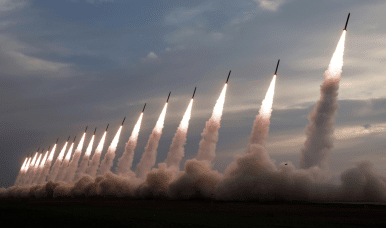
Iran launched approximately 9,000 missiles and drones in a major regional military offensive, with the UAE experiencing the heaviest impact at 2,819 attacks. While the escalation heightens geopolitical tensions in the Middle East, immediate military retaliation from Gulf states appears unlikely, though regional instability could influence global markets and crypto sentiment.
Iran's large-scale missile and drone campaign represents a significant escalation in Middle Eastern tensions, directly targeting UAE infrastructure and regional allies. This military action stems from ongoing regional conflicts and proxy tensions that have characterized Middle Eastern geopolitics for years, with Iran repeatedly using such displays as both tactical pressure and strategic messaging to adversaries and regional powers.
The restraint shown by Gulf states in their response demonstrates diplomatic calculation over immediate escalation, suggesting state actors recognize the risks of full-scale conflict. However, this measured response doesn't eliminate underlying tensions—it merely postpones potential escalation. The incident reflects broader regional fragmentation where multiple actors pursue conflicting interests, from energy security to political influence.
For cryptocurrency and financial markets, geopolitical instability in oil-producing regions typically increases volatility. The Middle East supplies roughly one-third of global oil exports, and military tensions historically spike energy prices, which can trigger broader market uncertainty. Crypto markets often experience volatility during geopolitical crises as investors reassess risk portfolios and seek hedges. Additionally, regional instability affects technology infrastructure and blockchain operations across the Middle East.
Monitoring developments in Iranian-Gulf relations remains critical for market participants. Escalating tensions could disrupt energy supplies, influence inflation expectations, and alter central bank monetary policy—all factors affecting crypto market dynamics. Investors should watch for statements from major powers, potential sanctions discussions, and any impact on regional trading hubs and crypto exchanges operating in affected areas.
- →Iran launched nearly 9,000 missiles and drones in major regional offensive targeting UAE with 2,819 attacks.
- →Gulf states show military restraint despite the escalation, reducing immediate risk of full-scale conflict.
- →Middle Eastern geopolitical instability typically increases oil price volatility and broader market uncertainty.
- →Crypto markets may experience volatility as investors reassess geopolitical risk and adjust portfolios.
- →Ongoing regional tensions warrant monitoring for potential energy supply disruptions and sanctions impacts.