
US Central Command reports Iranian missile launch toward Kuwait, crypto markets brace for impact
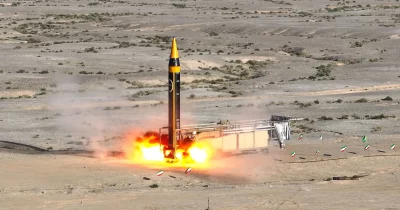
US Central Command reported an Iranian missile launch directed toward Kuwait, triggering concerns about escalating Middle East tensions. Cryptocurrency markets, typically sensitive to geopolitical risk, face potential volatility as investors reassess exposure to risk assets amid uncertain macroeconomic conditions.
The reported Iranian missile launch represents a significant escalation in regional tensions that extends beyond traditional geopolitical concerns into financial markets. Military action in the Middle East historically creates uncertainty around global oil supplies, energy prices, and broader economic stability—factors that ripple through all asset classes, including cryptocurrencies. This event tests the thesis that digital assets serve as hedges during periods of acute geopolitical stress.
Crypto's relationship with geopolitical risk differs from traditional safe-haven assets like gold or government bonds. While some market participants view Bitcoin and other digital assets as inflation hedges during economic turmoil, others treat crypto as a risk asset that declines when investors flee to safety. The Iranian missile launch creates competing pressures: if escalation leads to oil price spikes and inflation concerns, crypto may benefit from debasement narratives, but if markets shift toward risk-off sentiment, selling pressure could dominate.
Immediate market impacts depend on whether tensions remain isolated or escalate further. Oil prices, the dollar's strength, and equity market direction will serve as leading indicators for crypto trading activity. Elevated volatility typically benefits derivatives traders but creates uncertainty for long-term investors. Historical precedent suggests geopolitical shocks produce short-term disruption followed by market normalization unless structural economic damage materializes.
Market participants should monitor developments in Middle East tensions, oil price movements, and traditional equity market responses as primary indicators. If regional conflict broadens or threatens shipping lanes and energy infrastructure, crypto volatility will likely increase substantially.
- →Iranian missile launch toward Kuwait escalates Middle East tensions with potential consequences for global markets including cryptocurrency.
- →Geopolitical crises create competing pressures on crypto—inflation hedging demand versus risk-off capital flight.
- →Oil prices and traditional market reactions will be primary drivers of crypto volatility in coming days.
- →Digital assets remain correlated with equities during acute risk-off events despite long-term hedging narratives.
- →Market monitoring of shipping lanes, energy infrastructure, and escalation signals critical for positioning decisions.