
Iran declares missile program non-negotiable, impacting ceasefire market
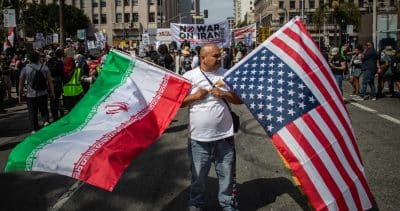
Iran has declared its missile program non-negotiable in diplomatic negotiations, hardening its negotiating position and escalating geopolitical tensions. This stance complicates ceasefire efforts and increases market uncertainty, particularly affecting risk assets like cryptocurrencies that are sensitive to geopolitical volatility.
Iran's declaration that its missile program is off-limits in negotiations represents a significant hardening of its diplomatic posture. This statement eliminates a potential concession point that Western negotiators may have hoped to leverage, effectively narrowing the pathway to a breakthrough agreement. The timing and firmness of this announcement signal that Iran prioritizes its defense capabilities over sanctions relief, reshaping expectations around the timeline and likelihood of a negotiated settlement.
Geopolitical tensions in the Middle East have persistently influenced cryptocurrency markets throughout 2023 and 2024. Escalations in Iran-related tensions typically trigger flights to safety, with investors rotating from risk assets into traditional safe havens like gold, Treasury bonds, and the US dollar. Cryptocurrency markets, particularly Bitcoin and Ethereum, experience increased volatility during such periods as institutional investors reassess their risk exposure and retail traders react to uncertainty.
For crypto market participants, this development creates a bearish headwind in the near term. Heightened geopolitical risk typically correlates with reduced appetite for alternative assets and increased capital flowing into traditional hedges. Additionally, military escalation scenarios can trigger broader macroeconomic concerns—including potential oil price shocks and inflation pressures—that compress valuations across risk assets.
Investors should monitor developments around potential Iranian retaliation, international responses from the United States and European allies, and any statements from the UN Security Council. Market participants should watch crude oil prices as a leading indicator of escalation severity, as energy market reactions often precede broader crypto volatility.
- →Iran's non-negotiable stance on missiles eliminates a key concession in ceasefire negotiations, reducing near-term diplomatic progress odds.
- →Geopolitical tensions in the Middle East typically trigger crypto market volatility and capital rotation toward traditional safe havens.
- →Bitcoin and altcoins face near-term bearish pressure as institutional investors reassess risk exposure during escalation periods.
- →Crude oil prices serve as a leading indicator for market severity, with energy shocks potentially amplifying crypto market declines.
- →Sustained Iranian hardening could pressure risk assets through Q1 2025 absent significant diplomatic breakthroughs.