
Iran fires missile at Kuwait, escalating Middle East tensions
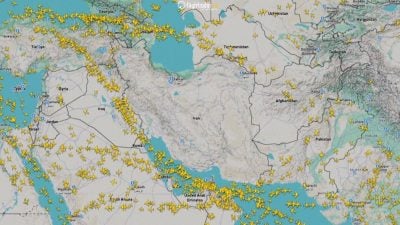
Iran has launched a missile strike targeting Kuwait, marking a significant escalation in Middle East tensions. The incident raises concerns about potential U.S. military intervention and broader geopolitical instability in a strategically critical region.
Iran's missile strike against Kuwait represents a dangerous escalation in regional military tensions, signaling a shift from diplomatic posturing to direct kinetic action. This development occurs against a backdrop of longstanding Iran-U.S. hostilities, proxy conflicts, and periodic flare-ups involving multiple regional actors. The incident threatens to destabilize an already volatile region where energy infrastructure, international commerce, and military interests converge.
The broader context reveals recurring cycles of provocation and retaliation between Iran and Western-aligned states. Previous incidents—including drone attacks, naval confrontations, and nuclear program disputes—have established a pattern of escalation followed by temporary de-escalation. This latest strike suggests a willingness by Tehran to accept higher risk thresholds, potentially triggered by sanctions pressure, internal political dynamics, or regional power competition.
For cryptocurrency and financial markets, geopolitical crises in the Middle East historically trigger risk-averse behavior. Oil price volatility typically increases, inflation expectations shift, and investors retreat to safe-haven assets. Crypto markets may experience secondary effects through broader macro uncertainty, though direct causation remains limited. Risk premiums widen across equities and commodities, potentially creating headwinds for growth-oriented assets.
Monitoring U.S. response and escalation trajectories remains critical. Military intervention scenarios could significantly disrupt global energy supplies, intensify inflation concerns, and trigger broader market corrections. The coming weeks will determine whether this represents isolated action or the beginning of sustained conflict dynamics that reshape regional stability and macroeconomic conditions affecting all asset classes.
- →Iran's missile strike on Kuwait escalates Middle East tensions and raises the probability of direct U.S. military involvement.
- →Regional military escalation historically correlates with oil price spikes and increased market volatility across financial assets.
- →Geopolitical crises redirect investor capital toward safe-haven assets, potentially creating headwinds for riskier investments including cryptocurrencies.
- →The incident reflects broader Iran-U.S. tensions and could signal a shift toward more aggressive military posturing in the region.
- →Market participants should monitor official government responses and escalation indicators over the coming days.