
Iran missile strike damages house in Israeli West Bank settlement, no casualties reported
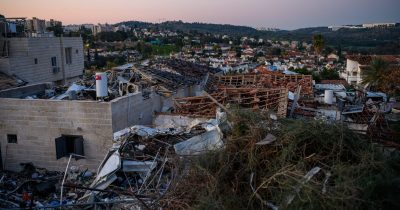
An Iranian missile strike damaged a house in an Israeli West Bank settlement with no reported casualties. The incident reflects escalating regional tensions and underscores the fragile security dynamics in the Middle East, with potential implications for broader geopolitical stability.
The missile strike on an Israeli West Bank settlement represents a direct escalation in Iran-Israel tensions, demonstrating the willingness of regional actors to engage in cross-border military action. While the reported absence of casualties limits immediate humanitarian impact, the incident signals a shift toward more overt confrontation, moving beyond proxy warfare toward direct military engagement. This development carries significant implications for regional stability and investor confidence in Middle Eastern assets.
Historically, Iran-Israel tensions have simmered through proxy conflicts, with both nations supporting competing factions across Syria, Lebanon, and Gaza. Recent months have witnessed a gradual escalation, with each side testing the other's red lines. The direct nature of this strike suggests either a deliberate escalation or a response to perceived Israeli actions, indicating that established deterrence mechanisms may be weakening or that calculations regarding acceptable risk have shifted.
For cryptocurrency and financial markets, geopolitical crises in oil-producing regions traditionally impact energy prices, which influence macroeconomic conditions and investor risk appetite. Heightened Middle Eastern instability typically triggers flight-to-safety behaviors, potentially benefiting defensive assets like Bitcoin while pressuring risk assets. Additionally, potential disruptions to oil supply chains could accelerate inflation concerns, affecting central bank policy and cryptocurrency valuations.
Investors should monitor whether this incident triggers broader military responses or international diplomatic interventions. Escalation toward armed conflict could create significant market volatility, particularly in energy and precious metals sectors, with secondary effects on cryptocurrency valuations. The trajectory of the next 48-72 hours will determine whether this represents contained tactical action or the beginning of sustained conflict.
- →Iran conducted a direct missile strike on Israeli territory, marking an escalation from historical proxy-based conflicts.
- →No casualties reported, but the incident demonstrates willingness for overt military confrontation between regional powers.
- →Geopolitical instability in the Middle East typically triggers flight-to-safety in markets, potentially affecting cryptocurrency valuations.
- →Oil price volatility from regional tensions could influence broader macroeconomic conditions and investor risk appetite.
- →Investors should monitor for further escalation or diplomatic responses that could create significant market movements.