
Iran’s IRGC fires 12 ballistic missiles at US airbase in Jordan, triggering $80B crypto market selloff
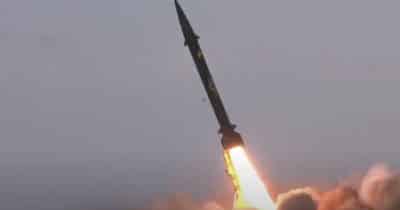
Iran's Islamic Revolutionary Guard Corps (IRGC) launched 12 ballistic missiles at a US airbase in Jordan, triggering an $80 billion cryptocurrency market selloff. The incident demonstrates how geopolitical escalation creates immediate volatility in crypto markets, underscoring the importance of prudent leverage management during periods of heightened global tension.
The IRGC missile strike represents a significant escalation in Middle East tensions with immediate ripple effects across global financial markets, particularly cryptocurrency. The $80 billion market selloff reflects crypto's role as a risk-on asset class that experiences sharp corrections during geopolitical crises when investors flee to safer havens like US Treasury bonds and traditional defensive assets.
This event fits within a broader pattern of geopolitical instability affecting crypto valuations. Iran-US tensions have periodically spiked over the past decade, but their direct market impact has become more pronounced as cryptocurrency's market capitalization has grown and institutional participation has increased. The missile strike serves as a reminder that crypto markets remain vulnerable to macro shocks originating outside the traditional financial system.
The market impact reveals structural vulnerabilities in how leverage is deployed across crypto exchanges and derivatives platforms. During moments of panic liquidation, cascading margin calls can amplify initial price declines, creating a feedback loop that exacerbates losses. Traders with excessive leverage positions face forced liquidations regardless of their conviction in long-term valuations, turning a geopolitical event into a liquidity crisis.
Moving forward, market participants should monitor whether tensions escalate further or stabilize. The crypto sector's resilience in subsequent days will indicate whether the selloff represents capitulation or the beginning of sustained volatility. Risk managers must recalibrate position sizing and leverage ratios in light of persistent geopolitical tail risks that can materialize with little warning.
- →Iran's ballistic missile strike on a US airbase triggered an $80 billion cryptocurrency market selloff, demonstrating crypto's sensitivity to geopolitical shocks.
- →Cryptocurrency functions as a risk-on asset that experiences sharp corrections when global tensions escalate and investors seek safer alternative assets.
- →Excessive leverage across crypto exchanges and derivatives platforms amplified the initial price decline through cascading liquidations.
- →Geopolitical events outside traditional finance now carry direct implications for crypto market stability as the sector matures.
- →Risk management practices including leverage reduction remain critical during periods of elevated geopolitical uncertainty.