
Iran reports missile strikes on US-linked targets in Iraq, rattling crypto markets
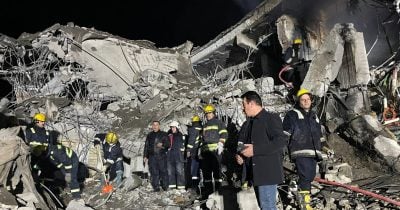
Iran conducted reported missile strikes on US-linked targets in Iraq, triggering volatility across cryptocurrency markets as investors reassess geopolitical risk premiums. The incident demonstrates how regional military escalations can create sudden shocks that reverberate through crypto assets, which lack traditional hedging mechanisms against geopolitical events.
Geopolitical crises typically trigger flight-to-safety dynamics across financial markets, and cryptocurrency—despite its theoretical detachment from traditional assets—increasingly shows correlation with macro risk events. The Iran-Iraq incident illustrates this vulnerability: crypto markets experienced notable swings as traders repositioned portfolios in response to elevated regional tensions. Bitcoin and other major cryptocurrencies tend to react to geopolitical uncertainty differently than equities or commodities, sometimes serving as a hedge against currency debasement in affected regions, while other times experiencing selling pressure as investors liquidate speculative positions to cover losses elsewhere.
Historically, Middle Eastern tensions have created unpredictable market responses. Previous escalations have prompted divergent outcomes—some drove crypto adoption in sanctioned economies, while others simply sparked broad risk-off sentiment. The crypto market's 24/7 trading cycle means reactions occur instantly without traditional circuit breakers, amplifying volatility during crisis moments.
For the broader crypto ecosystem, geopolitical shocks raise structural questions about market maturity and resilience. Developers and protocols face renewed scrutiny regarding their ability to function during systemic stress, while institutional investors reconsider exposure to an asset class prone to reactivity. Energy markets connected to Middle Eastern supply chains create secondary effects, potentially influencing mining economics and transaction costs across blockchains.
Investors should monitor how sustained tensions affect long-term macro narratives around inflation hedging and currency debasement, as these represent legitimate use cases disconnected from short-term geopolitical noise. Regional adoption trends in affected economies will provide insight into whether crypto serves genuine utility during crises or merely responds to sentiment shifts.
- →Geopolitical military escalations trigger immediate volatility in crypto markets despite theoretical independence from traditional assets
- →Middle East tensions affect energy markets, creating secondary impacts on cryptocurrency mining costs and network economics
- →24/7 crypto trading cycles amplify price swings during crises compared to traditional markets with circuit breakers
- →Institutional investors reassess portfolio risk when geopolitical events demonstrate crypto's correlation with macro uncertainty
- →Regional adoption and economic sanctions create divergent crypto outcomes, sometimes enabling financial access in affected economies