
US Central Command intercepts two Iranian missiles targeting Kuwait, crypto markets take the hit
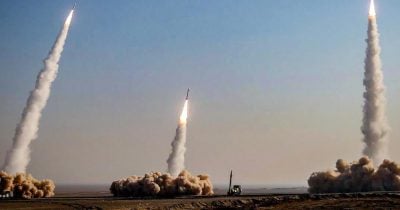
US Central Command intercepted two Iranian missiles targeting Kuwait, an incident that triggered cryptocurrency market volatility. The event underscores how geopolitical tensions affecting global trade routes can create sudden market stress for digital assets, which lack traditional safe-haven characteristics during international crises.
The interception of Iranian missiles near Kuwait represents a significant geopolitical flashpoint in a region critical to global energy and trade infrastructure. The Middle East's strategic importance to worldwide commerce makes military escalation in this area a systemic risk event with cascading effects across financial markets. Cryptocurrency markets, despite their theoretical independence from traditional finance, demonstrate acute sensitivity to macroeconomic shocks and geopolitical uncertainty.
This incident illustrates a fundamental paradox in crypto markets: while digital assets were originally conceived as decentralized alternatives to traditional finance, they remain deeply correlated with global risk sentiment. When geopolitical tensions spike, investors typically liquidate speculative positions across all asset classes, including cryptocurrencies, to raise cash and reduce portfolio volatility. The interconnected nature of modern markets means that disruptions to Middle Eastern stability directly impact energy prices, currency valuations, and broader economic outlooks.
The market impact manifested through liquidations, suggesting leveraged positions unwound as traders reacted to heightened uncertainty. Oil price spikes following regional conflicts typically trigger inflation concerns and risk-off sentiment, both bearish for risk assets including crypto. Investors holding concentrated positions in cryptocurrencies faced forced selling pressure as margin calls activated and risk management protocols triggered automatic exits.
Looking ahead, continued tensions in the region could sustain elevated volatility. Market participants should monitor escalation indicators and geopolitical developments closely, as the crypto market's maturation has not insulated it from macro shocks. The incident reinforces that even decentralized financial systems remain tethered to real-world geopolitical outcomes.
- →Iranian missile interception near Kuwait triggered cryptocurrency liquidations despite digital assets' theoretical independence from traditional finance.
- →Geopolitical crises in energy-critical regions create systemic risk that spreads across all financial markets including crypto.
- →Leveraged positions in crypto markets face acute liquidation pressure during uncertainty spikes as margin calls activate.
- →Energy price volatility from Middle East tensions influences broader inflation expectations and risk sentiment globally.
- →Crypto markets remain highly correlated with macroeconomic shocks despite claims of decentralization and independence.