
Iran launches 1,500 missiles at Israel, Iron Dome intercepts 99%
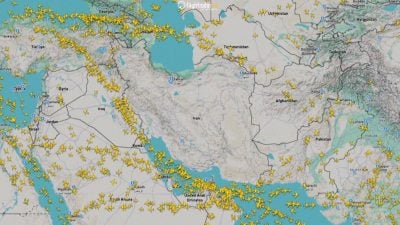
Iran launched approximately 1,500 missiles at Israel, with Israel's Iron Dome defense system intercepting 99% of them. The escalation heightens Middle Eastern tensions and poses risks to global stability, with potential implications for energy markets, geopolitical risk premiums, and cryptocurrency volatility.
The Iranian missile strike represents a significant escalation in Middle Eastern hostilities, demonstrating the region's capacity for large-scale military action. The 99% interception rate by Israel's Iron Dome system reflects advanced defensive capabilities, yet the sheer volume of ordnance launched signals a deliberate show of force with broader geopolitical messaging. This exchange occurs within an already tense regional environment and threatens to trigger further military responses or retaliatory measures.
Historically, Middle Eastern conflicts create market uncertainty that benefits safe-haven assets. Cryptocurrency markets have shown sensitivity to geopolitical risk events, particularly those affecting energy infrastructure or supply chains. Oil prices typically spike during regional instability, as markets price in potential disruptions to global petroleum supplies from the Persian Gulf. Such energy shocks cascade through traditional financial markets, often driving investors toward alternative assets including digital currencies.
For cryptocurrency investors and market participants, sustained regional tension creates a dual dynamic: increased safe-haven demand for assets perceived as uncorrelated to traditional markets, while simultaneously introducing macroeconomic headwinds from potential oil price increases and inflation concerns. Airspace closures mentioned in the article could disrupt logistics and commerce, adding inflationary pressure to global supply chains.
Market observers should monitor three developments: whether military escalation continues, potential impact on energy prices and inflation expectations, and broader risk-off sentiment that could affect all asset classes. Cryptocurrency volatility typically correlates with equity market stress during geopolitical crises, making position sizing and risk management critical considerations for traders exposed to macro uncertainty.
- →Iran launched 1,500 missiles at Israel with 99% interception rate, marking a significant military escalation
- →Regional tensions threaten global stability and create safe-haven demand dynamics affecting asset allocation
- →Airspace closures and potential energy disruptions could trigger inflation concerns affecting macroeconomic conditions
- →Geopolitical risk premiums typically boost cryptocurrency volatility and safe-haven asset demand
- →Further escalation monitoring is essential for assessing systemic risk to global markets