
Iran navy fires warning missiles, deploys drones at US warships in Gulf of Oman
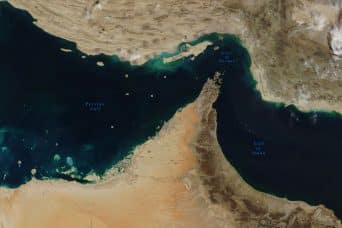
Iran's military conducted warning missile and drone operations against US warships in the Gulf of Oman, escalating regional tensions. The incident heightens risks to global maritime trade and energy supplies, with potential implications for market volatility and geopolitical risk premiums across asset classes.
The Iranian military's deployment of warning missiles and drones targeting US naval vessels represents a significant escalation in Gulf region tensions. This confrontation occurs amid broader strategic competition between Iran and the United States, with historical precedent for such incidents to trigger immediate market reactions. The Gulf of Oman serves as a critical chokepoint for global energy trade, with roughly one-third of seaborne oil passing through these waters. Any disruption to shipping routes or escalation toward direct military engagement would immediately impact crude oil prices and energy-dependent markets worldwide.
The geopolitical context matters considerably for cryptocurrency and broader asset markets. Historically, regional conflicts and heightened geopolitical risk drive investors toward alternative assets and hedges against currency devaluation. Bitcoin and other cryptocurrencies have occasionally benefited from such risk-off dynamics, particularly when traditional markets face uncertainty. However, the immediate impact depends on whether this represents posturing or a genuine shift toward armed conflict.
For market participants, the primary concern centers on energy price volatility cascading into inflationary pressures and central bank policy responses. Oil price spikes would influence monetary tightening decisions, directly affecting risk asset valuations including cryptocurrencies. The insurance costs for maritime shipping would increase substantially, adding friction to global supply chains. Investors should monitor developments for indicators of de-escalation versus further military posturing, as sustained tensions could trigger flight-to-safety dynamics across multiple asset classes.
- →Iran deployed warning missiles and drones near US warships, escalating Gulf of Oman tensions significantly.
- →The Gulf of Oman is critical infrastructure for global energy trade, with disruption risks affecting worldwide markets.
- →Geopolitical escalation typically drives risk premiums higher, affecting oil prices, currencies, and alternative assets.
- →Cryptocurrency markets may experience volatility from broader macro uncertainty and potential monetary policy shifts.
- →Key indicators to watch include shipping insurance premiums, oil price movements, and official diplomatic responses.