
Iran nuclear sites obliterated, US war declaration odds rise
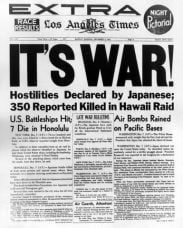
Escalating US-Iran tensions surrounding nuclear facilities threaten to trigger direct military confrontation, with implications for global stability, energy markets, and risk-on asset classes including cryptocurrencies. Geopolitical conflict of this magnitude historically correlates with flight-to-safety behaviors and increased volatility across financial markets.
The reported destruction of Iranian nuclear sites and rising rhetoric around US military intervention represent a significant escalation in Middle Eastern geopolitical risk. This development matters because direct US-Iran military engagement remains one of the most consequential tail risks for global markets, with cascading effects on energy supplies, international relations, and investor sentiment.
Historical context shows US-Iran tensions have cyclically intensified over decades, punctuated by sanctions regimes, proxy conflicts, and periodic brinkmanship. The current situation appears to mark a critical inflection point where rhetoric has translated into alleged kinetic action, suggesting either a deliberate escalation strategy or a miscalculation with severe consequences. Previous episodes—such as the 2020 Soleimani assassination—triggered temporary market dislocations but ultimately reversed as diplomatic off-ramps materialized.
For cryptocurrency and broader markets, geopolitical crises traditionally create two competing impulses: initial risk-off liquidation as investors flee volatile assets, followed by haven-asset demand as safe-haven flows accelerate. Bitcoin and gold typically show uncorrelated strength during sustained geopolitical stress, though short-term volatility spikes can trigger leveraged position liquidations. Equity markets face headwinds from potential crude price surges and supply chain disruption, while traditional safe havens like US Treasuries and the dollar should appreciate.
Investors should monitor escalation indicators including official statements from US and Iranian leadership, OPEC production announcements, and sanctions declarations. A sustained conflict scenario could reshape energy markets and push cryptocurrency adoption higher in regions facing capital controls, though near-term crypto volatility appears inevitable regardless of outcome.
- →Direct US-Iran military action represents a major tail risk event with significant implications for global market stability and risk asset valuations.
- →Geopolitical crises historically trigger flight-to-safety behavior, benefiting haven assets like gold and potentially cryptocurrencies in regions facing capital restrictions.
- →Energy market disruption from Middle Eastern conflict could accelerate inflation concerns and reshape macro asset allocation strategies.
- →Cryptocurrency markets may experience sharp volatility spikes in the short term despite potential longer-term haven demand in specific geographies.
- →Escalation tracking through official statements and OPEC announcements should inform trading decisions and portfolio risk management.