
Iran agrees to include nuclear program in US negotiations
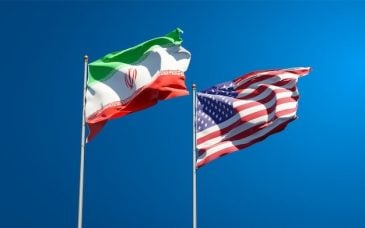
Iran has agreed to include its nuclear program in negotiations with the United States, signaling a potential shift toward diplomatic engagement. This development could reduce geopolitical tensions and create conditions for broader economic cooperation by 2026, with implications for global markets and crypto assets sensitive to geopolitical risk.
Iran's decision to bring its nuclear program into US negotiations represents a meaningful diplomatic gesture after years of deadlock on the 2015 JCPOA and subsequent tensions. The agreement to include nuclear discussions suggests both parties recognize the costs of continued hostility and see negotiation as preferable to escalation. This shift could fundamentally alter the geopolitical calculus in the Middle East, where proxy conflicts and sanctions have created persistent instability.
Historically, nuclear negotiations between Iran and Western powers have been cyclical—alternating between engagement (JCPOA era) and confrontation (post-2018 withdrawal period). Current discussions may reflect changing circumstances: Iran faces severe economic pressures, the US administration may prioritize diplomatic wins, and both nations likely see 2026 as a realistic timeline for incremental progress rather than comprehensive resolution.
For crypto and financial markets, geopolitical de-escalation typically reduces safe-haven demand for traditional assets like gold and increases appetite for riskier investments, including cryptocurrencies. Reduced tensions lower uncertainty premiums embedded in energy prices and currency markets. However, this article provides limited concrete detail about negotiation scope or timeline, making it difficult to assess immediate market catalysts.
Investors should monitor developments for concrete agreements on sanctions relief or verification mechanisms. Announcements regarding unfrozen assets, trade normalization, or SWIFT access would carry material implications for emerging markets and global liquidity conditions. The stated 2026 target suggests this is a multi-year process with numerous potential setbacks.
- →Iran's willingness to include nuclear discussions signals potential diplomatic progress after years of escalating tensions.
- →Successful negotiations could reduce geopolitical risk premiums affecting emerging markets and risk assets.
- →A 2026 timeline suggests incremental progress rather than immediate comprehensive resolution.
- →Sanctions relief announcements would have material implications for global financial markets and crypto sentiment.
- →Past cycles of engagement and confrontation suggest continued monitoring is necessary before declaring sustainable progress.