
Iran nuclear sites attacked by US, Israel amid rising tensions
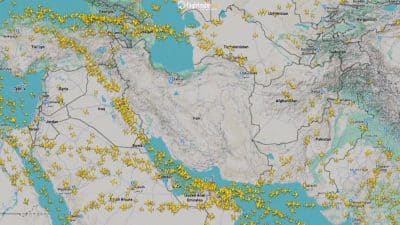
The U.S. and Israel conducted military attacks on Iranian nuclear sites, escalating regional tensions and threatening global stability. These actions risk triggering airspace closures, disrupted energy markets, and broader geopolitical instability with potential ripple effects across international financial systems.
Military strikes targeting Iranian nuclear infrastructure represent a significant escalation in Middle East tensions, moving beyond diplomatic channels into direct military confrontation. The coordinated U.S.-Israel action signals a hardening stance on Iran's nuclear program and reflects the breakdown of negotiation frameworks that previously governed regional stability. This shift carries immediate consequences for energy security, as any sustained conflict could restrict oil supplies from one of the world's major producers, directly impacting global commodity prices and inflation expectations.
The broader context reveals years of escalating tensions punctuated by failed diplomatic efforts and nuclear agreement withdrawals. Iran's advancing nuclear capabilities and regional proxy activities have prompted increasingly aggressive responses from Western and allied powers. This pattern of tit-for-tat military actions creates an unpredictable security environment that historically destabilizes markets and redirects capital toward safe-haven assets.
Crypto and digital asset markets typically respond to geopolitical crises through increased volatility and demand for non-correlated assets. Bitcoin often benefits during periods of currency debasement and geopolitical uncertainty, as investors seek hedges against traditional financial system disruptions. Energy-dependent industries, including blockchain infrastructure and data centers, face potential operational challenges if regional instability disrupts power grids or creates supply chain interruptions.
Monitoring escalation signals becomes critical for market participants. Watch for Iranian retaliation announcements, OPEC responses affecting oil prices, and shifts in central bank policy responding to inflation pressures. Currency markets and precious metals will likely experience increased demand, while equity markets may consolidate under uncertainty.
- →Direct military action against Iranian nuclear sites escalates Middle East tensions beyond previous diplomatic frameworks.
- →Oil supply disruptions from regional conflict could trigger inflation and reshape capital allocation across asset classes.
- →Bitcoin and alternative assets may see increased demand as investors hedge against geopolitical instability and currency debasement.
- →Energy-dependent blockchain infrastructure faces operational risks if regional conflict disrupts power availability.
- →Sustained escalation could prompt central bank interventions affecting monetary policy and market volatility globally.