
Iran’s firm stance on uranium enrichment complicates US nuclear deal talks
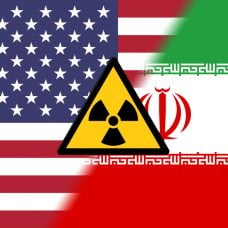
Iran maintains its hardline position on uranium enrichment, escalating geopolitical tensions and complicating ongoing nuclear negotiations with the US. This diplomatic impasse increases regional instability risks and has broader implications for global markets, including cryptocurrency volatility tied to sanctions and macroeconomic uncertainty.
Iran's intransigent stance on uranium enrichment represents a critical juncture in nuclear diplomacy that extends beyond traditional foreign policy into economic and financial markets. The Iranian government's refusal to compromise on its nuclear program directly undermines diplomatic channels with the United States, prolonging uncertainty about potential sanctions relief or normalization of trade relations.
Historically, negotiations around Iran's nuclear capabilities have oscillated between periods of dialogue and confrontation. The collapse of the JCPOA (Joint Comprehensive Plan of Action) in 2018 triggered a cycle of escalating sanctions and counter-enrichment activities. Iran's current firmness reflects domestic political constraints, where any concessions on nuclear sovereignty face fierce opposition from hardline factions. This deadlock mirrors previous standoffs that have consistently destabilized regional geopolitics.
For cryptocurrency and broader financial markets, geopolitical friction involving Iran carries material consequences. Sanctions regimes directly affect capital flows, create volatility in energy markets, and drive demand for alternative financial systems outside traditional banking infrastructure—factors that historically correlate with cryptocurrency adoption and price movements. Investors tracking macro trends monitor Iranian relations closely as barometers for broader geopolitical risk.
Looking forward, the sustainability of this diplomatic freeze depends on domestic political transitions in both Iran and the US, shifting energy markets, and international pressure mechanisms. Traders should monitor developments around sanctions enforcement, potential military escalation signals, and any unexpected diplomatic overtures that could rapidly shift risk sentiment across both traditional and cryptocurrency markets.
- →Iran's refusal to compromise on uranium enrichment deepens the US nuclear deal impasse and regional tensions.
- →The diplomatic deadlock increases geopolitical risk premiums across financial markets including cryptocurrencies.
- →Sanctions dynamics tied to Iran negotiations historically correlate with cryptocurrency adoption and volatility.
- →Domestic political constraints within Iran limit negotiating flexibility on nuclear policy.
- →Energy market instability from this conflict could drive further alternative asset demand.