
Iran rejects 20-year enrichment freeze, US refuses reparations amid nuclear talks
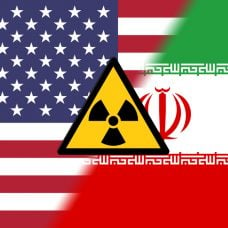
Stalled US-Iran nuclear negotiations have reached a critical impasse, with Iran rejecting a proposed 20-year uranium enrichment freeze while the US refuses to provide reparations. This diplomatic deadlock threatens to escalate regional tensions and destabilize global security, with potential ripple effects across energy markets and geopolitical risk premiums.
The breakdown in US-Iran nuclear talks represents a significant deterioration in diplomatic relations that extends far beyond traditional foreign policy concerns. Iran's rejection of the enrichment freeze suggests the parties remain fundamentally misaligned on verification mechanisms and remediation pathways, while the US position on reparations reflects domestic political constraints and historical grievances. This impasse matters because nuclear proliferation risks directly influence global stability, which affects capital allocation across all asset classes, including cryptocurrencies that serve as hedges against geopolitical uncertainty.
Historically, failed nuclear negotiations have preceded periods of heightened regional conflict and sanctions escalation. The original Joint Comprehensive Plan of Action (JCPOA) collapse in 2018 demonstrated how quickly diplomatic setbacks can trigger economic disruption. Iran's nuclear program advancement could eventually trigger military intervention scenarios or expanded sanctions regimes that impact energy prices and broader macroeconomic conditions.
For crypto and digital asset markets, geopolitical crises typically drive capital toward alternative stores of value and censorship-resistant assets. Escalating US-Iran tensions could increase volatility in oil futures, which inversely correlates with risk appetite in speculative markets. Investors should monitor whether new sanctions trigger flight-to-safety behavior that affects Bitcoin and Ethereum valuations.
The path forward depends on whether either party shifts negotiating positions or third-party mediators (likely Gulf states or European powers) can broker compromise. Continued stalemate increases the probability of military posturing or proxy conflicts within the next 12-24 months, creating sustained uncertainty for global markets.
- →Iran rejected a 20-year uranium enrichment freeze while US refused reparations payments, deadlocking nuclear negotiations.
- →Failed diplomacy increases risks of regional military escalation and potential new sanctions regimes.
- →Geopolitical crises typically drive cryptocurrency demand as alternative value stores during macroeconomic uncertainty.
- →Energy market volatility from escalated tensions could create spillover effects in speculative asset valuations.
- →Investors should watch for third-party mediation attempts or military posturing indicators over the next 12-24 months.